Sticker shock changes a housing search fast. When buyers and renters start comparing manufactured housing versus site built options, the real question is usually not which one is better on paper – it is which one fits your budget, timeline, and daily life without asking you to settle for less than you need.
That distinction matters because these homes are often judged by assumptions instead of facts. Site built homes still carry a certain status in the market, while manufactured housing is too often measured against outdated stereotypes. For many households, that misses the bigger picture. A home is not only about how it is constructed. It is also about monthly costs, neighborhood feel, upkeep, management, and whether you can actually build a stable life there.
Manufactured housing versus site built: the core difference
The biggest difference is how the home is built. A site built home is constructed piece by piece on the land where it will stay. A manufactured home is built in a factory setting and then transported to its homesite, where it is installed according to federal standards.
That factory-built process often leads people to assume lower quality, but the better way to look at it is controlled production. Materials are assembled indoors, timelines are more predictable, and weather delays are reduced. Site built homes offer more customization from the ground up, but they also tend to involve longer construction schedules, more labor variability, and more exposure to cost overruns.
Neither approach is automatically right for every household. If you want a fully custom floor plan on privately owned land and have the budget to support it, site built may make sense. If you want a more attainable path to housing with a faster move-in timeline, manufactured housing deserves serious consideration.
Cost is where the gap gets real
For most people, this comparison starts and ends with affordability. Site built homes usually cost more to construct and buy. Land, labor, materials, permitting, and long build times all add up. Even before move-in, buyers may be carrying interest costs, change orders, and surprise expenses.
Manufactured homes often come in at a lower purchase price, which can lower the barrier to entry for homeownership or make monthly housing costs more predictable. That can be especially meaningful for working families, retirees, and first-time buyers trying to avoid being stretched too thin.
But price alone is not the full picture. You also need to consider where the home will sit. If you place a manufactured home in a well-managed community, your monthly costs may include lot rent and community fees. In return, you may gain access to maintained infrastructure, professional management, and neighborhood amenities. In a site built purchase, you may own the land but take on all upkeep yourself, along with property taxes, repairs, and often a much larger mortgage.
The practical question is not just, Which one is cheaper? It is, Which one gives me a sustainable monthly payment and a living environment I can count on?
Quality depends on the home and the setting
One of the most persistent myths in manufactured housing versus site built discussions is that site built automatically means better quality. In reality, quality depends on design, materials, installation, maintenance, and management.
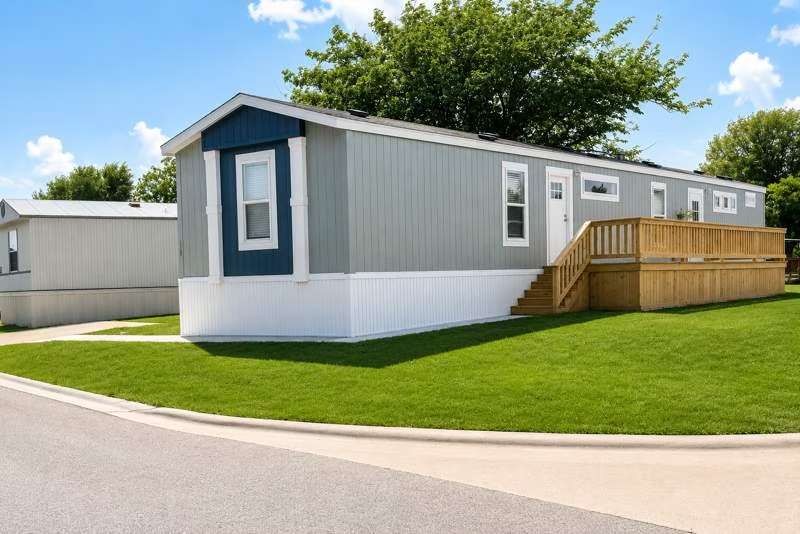
A newer manufactured home can offer modern layouts, updated finishes, energy-efficient features, and comfortable living space that meets the needs of everyday households. Open kitchens, primary suites, laundry areas, and smart storage are common. What affects the experience just as much, though, is the community around the home. Clean streets, good lighting, consistent standards, and responsive management can do more for quality of life than a construction label ever will.
Site built homes can absolutely deliver high quality, but they are not immune to problems. Poor contractors, delayed schedules, rushed work, and deferred maintenance can create headaches there too. The category itself does not guarantee a better outcome.
That is why buyers should evaluate the actual home, the neighborhood, and the people responsible for maintaining standards. A well-kept manufactured home in a vibrant, inclusive community can offer far more day-to-day confidence than a larger home in a setting that feels neglected or unstable.
Speed and simplicity matter more than people admit
Housing decisions are rarely made in a vacuum. A lease is ending. A job changed. A family needs more room. Someone is tired of unpredictable rent increases and wants a more stable option.
In those moments, timing matters. Manufactured homes often offer a faster path from search to move-in than site built construction. That can reduce stress and make planning easier. Instead of waiting through a long build cycle, households may be able to choose from available homes or place a home into an established community with the infrastructure already in place.
Site built homes can make sense when time is less of a concern and customization is the priority. But if your goal is to secure a home sooner, with fewer moving parts, manufactured housing has a practical advantage.
Financing and resale are worth a closer look
This is one area where the answer really depends. Site built homes often have more familiar financing paths, and buyers may find that traditional mortgage products are easier to understand. Resale perceptions can also favor site built homes in some markets.
Manufactured housing financing can vary based on whether the home includes land, how it is titled, and where it is located. That does not make it a weak option. It simply means buyers need clear information upfront. A good housing decision is about what works over time, not what sounds most familiar on day one.
Resale also depends on more than construction type. Age of the home, condition, location, and community standards all matter. A manufactured home in a desirable, professionally managed community may attract more interest than people expect, especially as affordable housing options become harder to find.
Lifestyle is often the deciding factor
For many households, the real difference between manufactured housing versus site built is not found on a spec sheet. It shows up in everyday life.
Do you want the privacy and responsibilities that come with a traditional single-family lot? Or would you prefer a community setting where property standards are enforced, common areas are maintained, and neighbors share a more connected environment?
That community piece matters. People are not just looking for walls and a roof. They want to feel safe walking outside. They want clean surroundings, working streetlights, and management that answers questions and addresses problems. They want a home where they can plan ahead instead of constantly reacting.
This is where manufactured home communities can change expectations. In the right setting, residents get affordability without giving up neighborhood feel. They gain structure, consistency, and a sense that someone is paying attention to the details that shape daily life. That is a meaningful advantage for households that value stability as much as square footage.
How to choose the right fit
If you are comparing options, start with your non-negotiables. Monthly budget should come first, because a home only helps if it remains affordable after move-in. Then look at timing, location, and how much responsibility you want to carry personally for maintenance and property management.
It also helps to be honest about what kind of lifestyle you want. Some buyers are drawn to the independence of a site built home on private land. Others want a more attainable home in a managed neighborhood where upkeep, standards, and community experience are part of the value. Neither goal is wrong.
What is wrong is making the decision based on old assumptions. Manufactured housing has evolved, and so have the communities built around it. Companies like Medallion Communities are helping reframe what this housing choice can look like by pairing attainable homes with cleaner properties, stronger management, and a clearer sense of belonging.
A smart housing decision is not about chasing a label. It is about finding a place where your money works harder, your living costs stay manageable, and your home supports the life you are building. If that points you toward manufactured housing, that is not a compromise. For many people, it is the option that makes the most sense – and feels the most livable once they are there.
![Camping Near [Landmark] for a Better Stay](https://medallioncommunities.com/wp-content/uploads/2026/10/camping-near-landmark-for-a-better-stay-featured-150x150.webp)