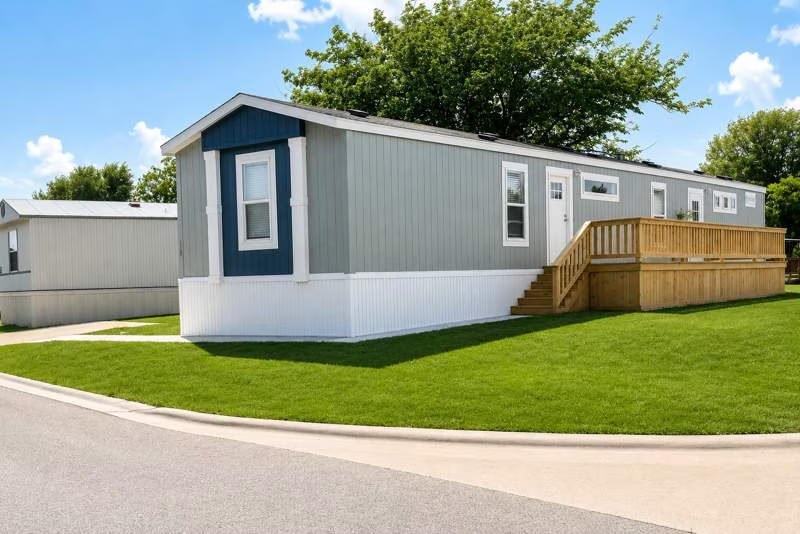
A housing decision can shape far more than a monthly budget. It affects how easily you can relocate for work, whether you can personalize your space, how connected you feel to your neighbors, and how much responsibility you want to carry. When weighing renting versus buying homes, the right answer is not the same for every household. It comes down to what you need now, what you expect next, and what helps you feel secure at home.
For many families and working adults, manufactured home communities create an attainable path in either direction. You may be looking for a rental home that gives you room to settle in without a long-term commitment. Or, you may be ready to own a home while enjoying the neighborhood setting, professional management, and amenities of an established community.
Renting versus buying homes starts with your timeline
Your expected length of stay is one of the clearest ways to narrow the decision. Renting can make sense when the next few years are uncertain. Perhaps a job opportunity could require a move, you are building savings, or you want time to learn more about an area before putting down roots. A lease gives you a defined commitment and a clearer exit path when circumstances change.
Buying is often a stronger fit when you expect to remain in the same place for several years and want greater stability. Homeownership can offer the satisfaction of having a space that is truly yours, along with more freedom to make it reflect your household. A longer stay also gives you more time to benefit from the investment you make in the home.
There is no prize for buying before you are ready. Likewise, renting is not a failure to move forward. A good housing choice supports the season of life you are in, rather than creating pressure around one that may still be changing.
Look beyond the monthly payment
The monthly number matters, but it should not be the only number in your decision. Rent is usually straightforward: you pay the agreed amount, follow the lease, and understand which maintenance responsibilities are handled by the property owner or management team. This predictability can be especially helpful for households that want to keep upfront costs lower and leave room in the budget for savings, transportation, childcare, or other priorities.
Buying a home involves additional upfront planning. Depending on the purchase, you may need a down payment, closing costs, insurance, moving expenses, and funds for furnishings or early repairs. The ongoing payment may include a loan payment, insurance, taxes where applicable, utilities, and community or lot rent if the home sits on leased land.
That does not automatically make renting less expensive or buying more expensive. It means each option has different costs, timing, and responsibilities. Ask for a complete picture before deciding. A clear breakdown of recurring charges, utility expectations, deposits, and maintenance obligations helps you compare homes honestly instead of relying on a single advertised price.
A manufactured home can change the equation
Manufactured homes can offer a more attainable route to homeownership than many site-built homes. Buyers may be able to choose a home with the bedrooms, layout, and features their household needs at a price point that better fits their goals. When the home is located in a well-managed manufactured home community, residents also gain a neighborhood environment without taking on the individual expense of owning and maintaining the entire surrounding infrastructure.
It is still essential to understand how the arrangement works. In many communities, a resident owns the home and leases the lot beneath it. That means the home purchase and monthly lot rent are separate parts of the housing budget. Community rules, standards, and management practices also play a meaningful role in daily life. Reviewing these details early helps prevent surprises later.
Consider the responsibility you want to own
Renting generally places more maintenance responsibility on the housing provider. If a major system needs attention, residents can report the issue and rely on the established maintenance process. You still have a responsibility to care for the home and report concerns promptly, but you are not typically making every repair decision or paying for every major fix.
When you buy, you gain more control and more responsibility. You decide when to update finishes, how to care for the exterior, and which improvements are worth making. That freedom can feel rewarding, particularly for households who want to create a long-term home. It also means planning for repairs, routine upkeep, and unexpected needs.
A community setting can offer an appealing middle ground. You can enjoy ownership of your home while living in a neighborhood where streets, common areas, and community standards are professionally managed. Well-maintained lighting, clean shared spaces, and responsive onsite support contribute to the comfort residents experience every day.
Think about flexibility, privacy, and belonging
Renters often value flexibility. A lease can make it easier to move if a career, family situation, or financial plan changes. It can also give first-time residents a chance to experience a community before deciding whether ownership is the right next step.
Buyers often value permanence. Owning a home can create a deeper sense of control over the space and more confidence in planning for the future. You may be more likely to invest in landscaping, home improvements, and relationships with neighbors when you expect to stay.
Both renters and buyers can find a sense of belonging in the right community. The condition of the property, the behavior of neighbors, clear standards, and the responsiveness of management all matter. A home is more than its walls. Feeling comfortable walking the neighborhood, knowing common areas are cared for, and having a management team that communicates clearly can make a real difference.
Questions to ask before you choose
Before signing a lease or purchasing a home, take time to picture an ordinary Tuesday, not just move-in day. How will the payment fit beside your other regular expenses? How long do you reasonably expect to stay? Would a repair fund feel manageable? Are the location, commute, schools, and nearby services a good match for your routine?
For a manufactured home community, ask about the home’s condition, lease terms or lot rent, utility setup, pet policies, parking, maintenance procedures, and community guidelines. Visit at different times if possible. Notice the condition of the roads, homes, landscaping, and shared spaces. Ask how residents report concerns and what communication looks like when work is underway.
These questions are not minor details. They help you evaluate whether a community is actively cared for and whether the expectations are clear. At Medallion Communities, that commitment to attentive management and a welcoming neighborhood environment is part of creating a place residents can feel proud to call home.
When renting may be the better fit
Renting may be right for you if you need to preserve savings, expect a move within a few years, or prefer limited responsibility for major repairs. It can also be a practical choice if you are new to an area or rebuilding financial confidence. A rental home gives you the opportunity to establish a comfortable routine while keeping more options open.
A rental arrangement can still offer the space and neighborhood feel that an apartment may not provide. For families who want a yard, additional bedrooms, or a quieter residential setting, renting a manufactured home can be a meaningful step toward a more comfortable day-to-day life.
When buying may be the better fit
Buying may be a good fit if your income and savings are steady, you plan to remain in the area, and you are prepared for the responsibilities of ownership. It can be especially appealing for households that want more control over their home and a stronger sense of long-term stability.
Ownership does not need to mean stretching your budget to its limit. The healthiest purchase is one that leaves room for routine expenses, home care, and the unexpected. A home should support your life, not make every month feel like a financial emergency.
The best decision is the one that gives your household room to live well. Whether that means the flexibility of renting or the stability of buying, choose a home and community where the numbers make sense, expectations are clear, and you can picture a future filled with everyday comfort and connection.