A home search often starts with a monthly budget, but it rarely ends there. People also want a neighborhood that feels cared for, a management team that responds, and enough stability to plan for what comes next. That is why manufactured housing market trends are drawing attention from renters, first-time buyers, families, and homeowners looking for a better place to set down roots.
Manufactured homes are not a one-size-fits-all answer to the housing shortage. Prices, availability, community standards, financing, and local regulations all vary by market. Still, the category is increasingly being recognized for what it can offer: attainable housing paired with the everyday benefits of a connected neighborhood.
Affordability Remains the Central Market Driver
For many households, the biggest trend is also the most practical one. As the cost of traditional site-built homes, apartments, insurance, and utilities puts pressure on household budgets, manufactured housing can create a more realistic path to renting or owning a home.
The appeal is not simply a lower purchase price or monthly rent. It is the opportunity to choose a home that fits real life without stretching every dollar to the limit. A household may be able to gain bedrooms, outdoor space, parking, or a more residential setting than it could afford in a conventional apartment market.
That value matters most when costs are clear. Prospective residents should look beyond the advertised home price and ask about lot rent, utilities, taxes where applicable, community fees, pet policies, and the condition of the home. Predictability is a major advantage, but it depends on receiving straightforward information before making a decision.
Demand Is Growing for Both Rentals and Homeownership
Manufactured housing serves more than one type of resident, and market demand reflects that. Some people want a rental home with more privacy and space than an apartment. Others are ready to purchase a home but need an entry point that does not require the price of a conventional house. There is also a meaningful group of homeowners who already own a manufactured home and are searching for a well-managed community where they can move it.
This mix is shaping how communities operate. A strong community needs options that meet residents at different stages: homes for rent, homes for sale, and appropriate lots for qualified homes being moved in. It also needs clear standards so that residents understand what to expect from the property and from one another.
For buyers, manufactured homeownership can be a practical first step toward long-term housing stability. For renters, it can provide a neighborhood setting without the immediate responsibilities of ownership. Neither option is automatically better. The right choice depends on a household’s savings, expected length of stay, repair responsibilities, and comfort with the terms of a lease or purchase agreement.
Community Quality Is Becoming a Bigger Deciding Factor
One of the most meaningful manufactured housing market trends is the shift away from viewing a home as a stand-alone product. Residents are looking closely at the community around it.
A clean entrance, maintained streets, working lighting, reliable infrastructure, and well-kept common areas signal more than curb appeal. They show that a community is being actively managed. For families, working adults, and long-tenured residents, those details influence whether a neighborhood feels safe, respectful, and comfortable day after day.
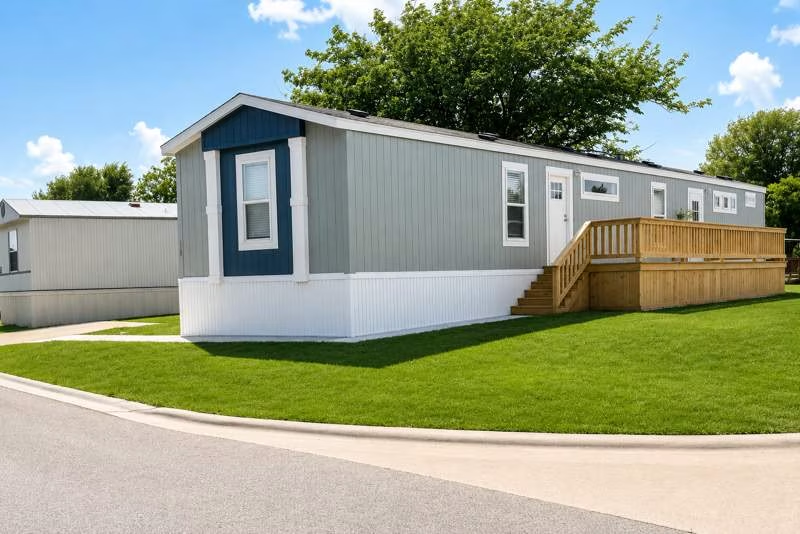
This is also where old stereotypes about manufactured home communities are being challenged. A manufactured home community can be vibrant, organized, and welcoming when management makes property standards and resident experience a priority. Community activities, clubhouses, and shared spaces can add to that sense of belonging, but the basics come first: responsive communication, consistent upkeep, and fair enforcement of community rules.
At Medallion Communities, the goal is not simply to provide a place to live. It is to help create communities where residents can feel proud of their neighborhood and confident that concerns will be addressed.
What prospective residents should notice on a visit
When visiting a community, look past the model home or listing photos. Notice the condition of roads, landscaping, signage, mail areas, and shared facilities. Consider whether homes appear cared for and whether the community’s rules support a clean, welcoming environment.
It is also smart to ask how maintenance requests are handled, who manages the community, and how residents receive updates. A helpful answer should be specific. Good management is visible, but it should also be easy to reach.
Available Land and Infrastructure Shape Local Supply
Manufactured housing can be built more efficiently than many site-built homes, but communities still need suitable land, utilities, roads, drainage, and local approval. Those factors affect where new homes and new communities can be added.
In markets with limited land or restrictive zoning, demand can rise faster than available homesites. That can make existing communities especially valuable, particularly those with upgraded infrastructure and room for qualified homes. In other areas, new development may create more choices but can take time to deliver.
For residents, this means availability will remain local. A home that is affordable in one city or county may be harder to find in another. Searching by location, home type, and price range helps households focus on realistic options rather than wasting time on listings that do not fit their needs.
Infrastructure investment is equally important. Improvements to streets, lighting, water systems, drainage, and community spaces support quality of life and help protect the long-term value of the neighborhood. These upgrades are not always flashy, but they are often the difference between a community that merely exists and one that is positioned to serve residents well for years.
Financing and Insurance Continue to Affect Buying Decisions
The cost of a manufactured home is only part of the financial picture. Interest rates, lending requirements, down payments, loan terms, insurance costs, and whether the home is titled as personal property or real property can all influence a buyer’s monthly payment.
This is an area where comparison matters. Buyers should seek a clear estimate of their full monthly housing cost, including the home payment, lot rent, insurance, utilities, and any applicable taxes. They should also understand what happens at the end of a lease term, what maintenance they will be responsible for, and whether there are requirements related to the home’s age or condition.
Insurance deserves special attention in areas exposed to severe weather. Coverage availability and premiums can differ by region, home age, construction features, and location. A lower home price does not always mean lower total costs, so asking questions early can prevent surprises later.
Digital Tools Are Making the Search More Practical
Housing searches are increasingly beginning online, and manufactured housing is no exception. Prospective residents expect to see available homes, compare rental and purchase options, filter by price, review community details, and begin an application without unnecessary back-and-forth.
Digital tools do not replace an in-person visit, especially when someone is choosing a neighborhood. They do make the process more efficient. Clear listings and online applications help people narrow their choices before taking time off work, arranging transportation, or bringing family members to tour a community.
For current residents, online payment options and resident portals can make routine tasks easier. The technology itself is not the point. The point is giving residents a reliable way to manage their housing experience while still having access to real people when a question or maintenance issue needs attention.
The Best Value Includes More Than the Home
The manufactured housing market will continue to be shaped by affordability, limited housing supply, financing conditions, and changing local rules. Yet the communities that stand out will be those that understand what residents are truly choosing.
They are choosing a home, certainly. They are also choosing the condition of the streets they drive on, the way concerns are handled, the neighbors they meet, and the confidence that comes from living in a place with standards. For anyone comparing options, the most useful next step is simple: find a community that respects both your budget and your everyday life.