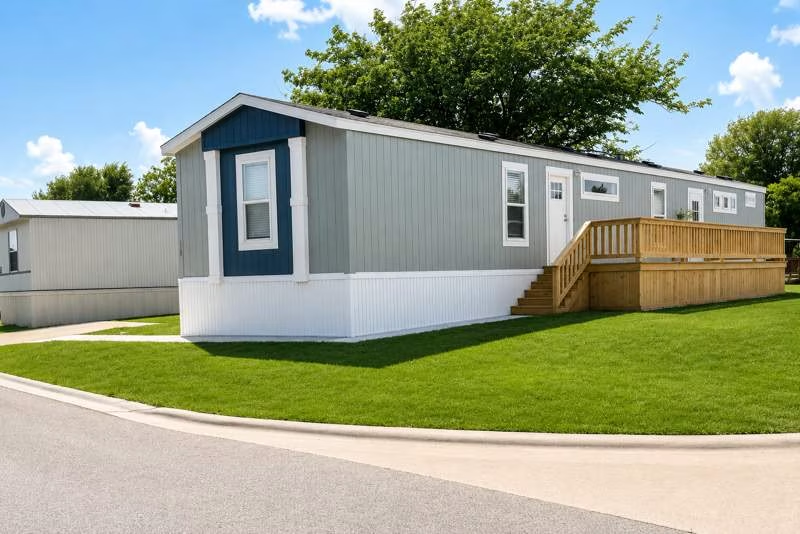
A manufactured home can put homeownership within reach when a site-built house feels out of budget. But can you finance a manufactured home? Yes, in many cases. The loan that fits depends on the home, the land or community site, your credit profile, and how the home is titled.
The key is to start with a realistic view of the total monthly cost. A home payment is only one piece of the picture. If the home is located in a manufactured home community, you may also have a monthly site rent. Utilities, insurance, taxes, and maintenance matter, too. Planning for all of them helps you choose a home that supports your life today and your long-term stability.
Can You Finance a Manufactured Home When You Lease the Site?
Yes. Many buyers finance a manufactured home located on leased land in a professionally managed community. This arrangement is common, and it can make buying more attainable because you are purchasing the home without also taking on the cost of buying land.
In this situation, the home is often treated as personal property rather than real estate. The loan may be called a chattel loan or a home-only loan. It is designed for a manufactured home that is not permanently attached to land you own. Terms, rates, and down payment requirements vary by lender, the age and condition of the home, and your financial profile.
A community site can offer a different kind of value. Instead of being responsible for finding land, preparing a site, and managing every aspect of a standalone property, residents may have access to maintained streets, community standards, and a responsive local management team. You still need to understand the site lease, including the current site rent, what is included, and the community’s residency requirements.
Before applying for financing, ask whether the lender works with homes in leased-land communities. Not every lender does. A lender familiar with manufactured housing can explain which loan products may apply and what documents it will need from both you and the community.
Main Financing Options for Manufactured Homes
There is no single best loan for every buyer. The right path depends largely on whether you are buying the land with the home, leasing a site, or moving a home you already own.
Conventional Manufactured Home Loans
Some banks, credit unions, and specialty lenders offer conventional financing for manufactured homes. If you own the land and the home meets lender requirements for foundation, title, size, age, and condition, it may qualify for financing more similar to a traditional mortgage.
These loans can offer longer repayment terms than home-only financing, though qualification standards may be more detailed. Lenders typically review your income, employment history, credit, debts, appraisal, and the home’s condition. A stronger credit profile and a larger down payment may improve your options, but buyers with less-than-perfect credit should still speak with lenders rather than assuming they cannot qualify.
FHA Loans
Federal Housing Administration programs may help eligible borrowers finance a manufactured home, a site, or both. FHA-backed financing can be appealing to first-time buyers because down payment requirements may be lower than some conventional programs.
The details matter. The home must meet FHA and lender standards, and the property setup must qualify. If the home will be placed in a community, the community and lease arrangement may also need to meet program requirements. Do not assume that every available home or location will qualify simply because it is new or well maintained.
VA and USDA Programs
Eligible veterans, service members, and qualifying surviving spouses may have access to VA financing for a manufactured home in certain circumstances. USDA financing may also be available in eligible rural areas for borrowers who meet income and property requirements.
Both programs have specific rules, and lender participation varies. They are worth exploring if they fit your household, but it is wise to keep a second financing option in mind. A loan officer can help determine whether the home, location, and land arrangement meet program guidelines.
Chattel or Home-Only Loans
For homes on leased community sites, a chattel loan is often the most practical option. It finances the home itself, not the land beneath it. These loans may close more quickly and involve fewer real estate-related steps, but they can have shorter loan terms or higher interest rates than a mortgage secured by land.
That trade-off does not automatically make a home-only loan a poor choice. For many households, the lower purchase price of a manufactured home and the ability to live in an established neighborhood can make the overall budget workable. Compare the full monthly payment, not only the interest rate.
What Lenders Look At Before Approving You
Lenders want confidence that the payment fits your budget and that the home meets their collateral requirements. They usually review your credit score and history, verifiable income, recurring debts, available down payment, and the home’s purchase price and condition.
They may also consider the home’s HUD certification label, year of manufacture, size, and whether it has been permanently installed. Older homes can be financeable, but some lenders place limits on age or require an inspection. If you are purchasing a pre-owned home, ask early whether the lender has age or condition guidelines.
Your debt-to-income ratio also matters. This is the share of your gross monthly income that goes toward debt payments. When estimating your housing payment, include principal and interest, site rent if applicable, insurance, taxes, utilities, and any other required fees. A lender may calculate some of these differently, but this is the clearest way to protect your own budget.
Plan for the Costs Beyond the Loan
A clear financing plan includes the expenses that happen before move-in and after closing. Down payments can range widely depending on the loan type and borrower qualifications. You may also need funds for application fees, inspections, title work, appraisal costs, insurance, moving, utility deposits, and repairs or upgrades.
If you are moving an existing manufactured home into a community, transportation and installation can be major costs. The home may need to meet community standards and local requirements before approval. Confirm whether the home can be moved, what site preparation is needed, and who is responsible for permits, setup, skirting, steps, utility connections, and inspections.
A healthy emergency fund is valuable, even if it starts small. Manufactured homeownership can deliver meaningful savings compared with many other housing options, but every homeowner should have room in the budget for maintenance and unexpected repairs.
Steps to Take Before You Apply
Start by reviewing your credit reports and correcting any errors. Then calculate a monthly housing budget that leaves room for groceries, transportation, childcare, savings, and normal life. A lender might approve more than you feel comfortable paying, so set your own limit first.
Next, gather documents such as recent pay stubs, tax returns or other proof of income, bank statements, identification, and information about the home you want to buy. If you are self-employed, expect to provide additional income documentation. Being organized can reduce delays once you find the right home.
Get quotes from more than one lender if possible. Ask each lender whether it finances new and pre-owned manufactured homes, homes in leased-land communities, and the particular home you are considering. Request an explanation of the annual percentage rate, loan term, estimated payment, down payment, prepayment policy, and all closing costs. A low payment can sometimes reflect a longer term that increases the total amount paid over time.
Finally, apply to live in the community separately when required. Financing approval and community approval are different decisions. A well-managed community has standards designed to protect residents, property condition, and the neighborhood experience. At Medallion Communities, prospective residents can explore available homes and community information while preparing for the application process and a successful move.
A Smart Question to Ask Before Signing
Ask yourself: Will this payment still work if my utility bill rises, my car needs repairs, or my work hours change for a month? Affordable housing should create breathing room, not replace one financial strain with another.
A manufactured home can be a practical path to a place of your own, especially when it is paired with a community where you feel welcome and secure. Take the time to compare financing, understand every monthly cost, and choose a home that gives your household both value and room to grow.