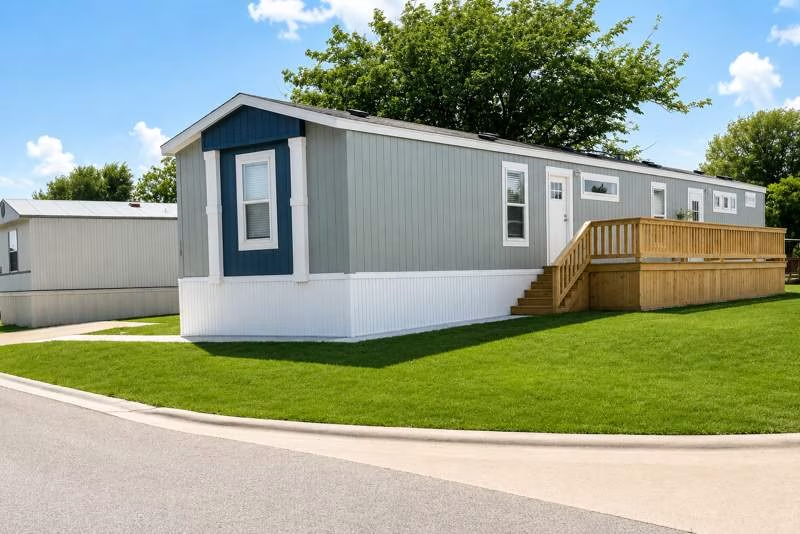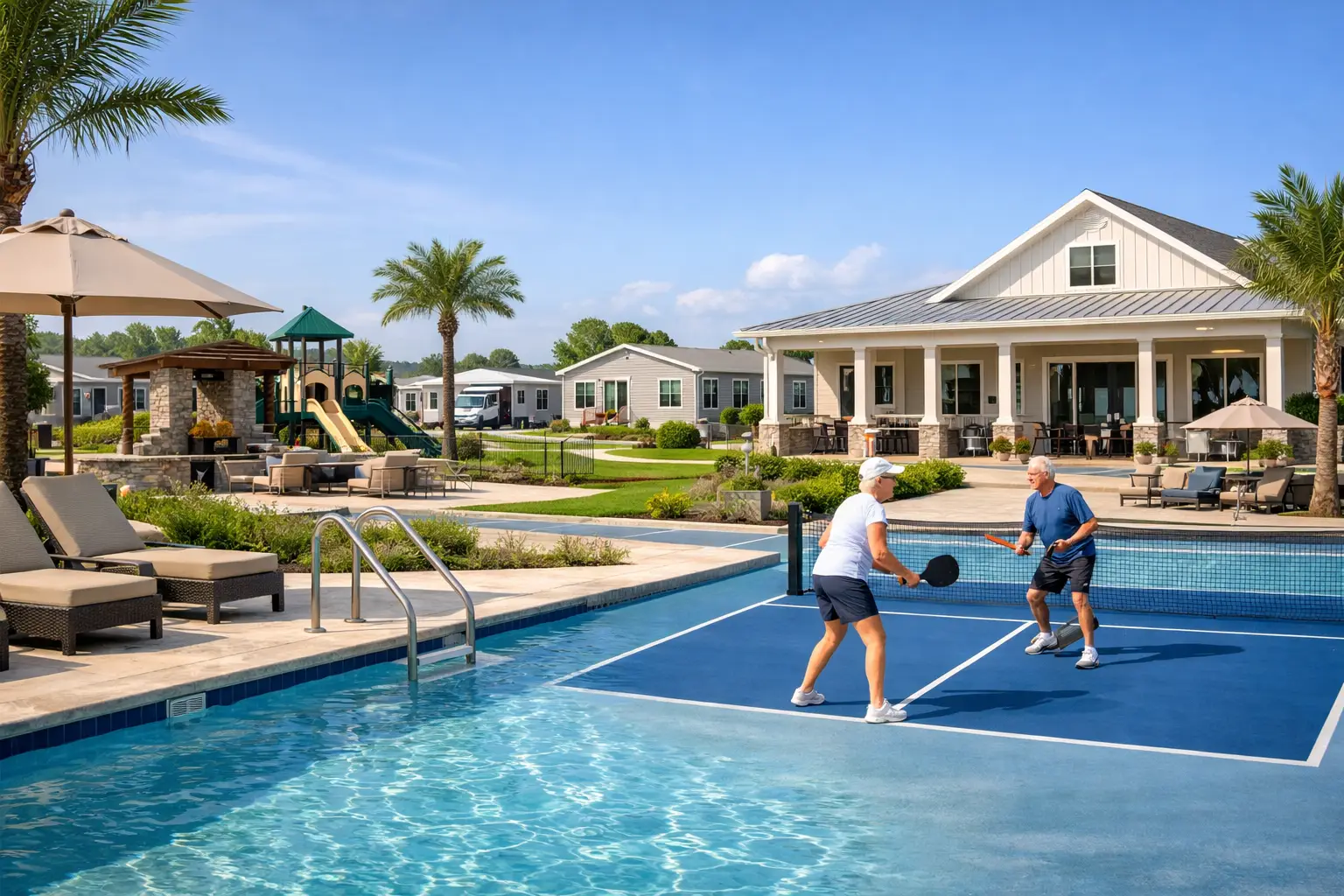
A freshly paved street, a working streetlight, and a clean shared entrance may seem like small details. For residents, they shape the experience of coming home every day. The best examples of manufactured community upgrades are not cosmetic projects chosen for appearances alone. They are practical improvements that make a neighborhood safer, easier to navigate, more comfortable to enjoy, and more likely to hold its value over time.
For families, working adults, renters, and homeowners, an affordable home should not require settling for a poorly maintained setting. A well-managed manufactured home community can offer a genuine neighborhood feel when management invests in the basics and follows through on the details.
Why Community Upgrades Matter
A manufactured home can be an attainable path to renting or homeownership, but the condition of the community matters just as much as the home itself. Residents notice whether roads are smooth, drainage works after a heavy rain, common spaces feel cared for, and concerns receive timely attention.
These investments also affect daily confidence. Parents want children to have places to play. Residents arriving home after work want well-lit streets and clear parking areas. Homeowners who have invested in their homes want a community that protects the appearance and function of the neighborhood.
The right upgrades support all of those needs at once. They also help replace outdated assumptions about manufactured housing with a more accurate picture: a community can be attainable, well-kept, welcoming, and professionally managed.
Examples of Manufactured Community Upgrades That Residents Feel
The most meaningful improvements are often the ones residents use without having to think about them. They reduce inconvenience, improve safety, and show that management is paying attention to the quality of life across the property.
Paved Streets, Repairs, and Clear Driveways
Roadwork is one of the most visible upgrades a community can make. Resurfaced streets, repaired potholes, defined curbs, and properly maintained driveways improve more than curb appeal. They make walking, biking, driving, and receiving deliveries easier for everyone.
Road improvements can also help protect resident vehicles and support emergency access. In communities with aging pavement, management may need to prioritize the streets in the poorest condition first, then complete a broader paving plan in phases. That approach can be more realistic than trying to address every road at once, as long as the plan is communicated clearly and progress remains visible.
Better Drainage and Stormwater Management
Standing water is not just an inconvenience. It can damage roads, create muddy common areas, contribute to pest concerns, and make it harder to enter or leave a home during severe weather. Improvements such as repaired culverts, cleaned drainage ditches, regraded lots, and maintained storm drains can make a major difference.
Drainage work is rarely the most glamorous community project, but it is one of the most valuable. Residents may not see every improvement below ground, yet they will see the result when streets drain properly after a storm and shared spaces stay usable.
Streetlighting and Security-Minded Design
Well-placed lighting makes a neighborhood feel more comfortable after dark. Upgraded streetlights near entrances, mail areas, parking spaces, walkways, and community buildings can improve visibility for residents and visitors alike.
Lighting should be planned thoughtfully. Too little light can leave important areas difficult to see, while poorly directed lighting may shine into homes or create unnecessary glare. Energy-efficient fixtures and regular maintenance help communities balance visibility, operating costs, and resident comfort.
Security-minded design can also include trimmed landscaping around shared spaces, clearly marked addresses, functional gates where appropriate, and sightlines that make entrances and walkways easy to monitor. No single feature guarantees security, but consistent upkeep helps create a more orderly, cared-for environment.
Updated Community Entrances and Signage
A clean, easy-to-find entrance sets expectations before someone even tours a home. Updated signage, maintained landscaping, visible community rules, and clear directional markers help residents, guests, service providers, and emergency responders find their way.
This is an upgrade where appearance and function work together. A polished entrance communicates pride, but legible signs and house-number visibility also solve real day-to-day problems. In larger communities, directional signs for offices, mail centers, playgrounds, and amenities can prevent confusion and reduce unnecessary traffic through residential streets.
Playgrounds, Clubhouses, and Shared Outdoor Space
Shared amenities can turn a collection of home sites into a more connected neighborhood. A well-maintained playground gives children a place to be active close to home. A clubhouse or community room can support resident meetings, holiday gatherings, classes, and small celebrations. Benches, picnic areas, and open green space offer simple places for neighbors to spend time together.
The best amenity depends on the residents a community serves. A family-oriented community may benefit most from a safe playground and open outdoor areas. A community with many working adults or older residents may see more use from a clubhouse, walking area, or a comfortable gathering space. The goal is not to add amenities for a brochure. It is to provide spaces residents will actually use and appreciate.
Upgraded Mail, Package, and Trash Areas
Mail and waste areas are high-traffic spaces that can influence how organized a community feels. Secure, clearly labeled mailboxes, adequate lighting, accessible pathways, and regular cleaning make a routine stop more convenient. As package delivery becomes more common, communities may also consider designated package solutions where the layout and resident needs support them.
Trash areas deserve the same attention. Properly located containers, clear disposal expectations, reliable pickup coordination, and regular monitoring help protect cleanliness across the community. This is a shared responsibility, but responsive management makes it easier for residents to do their part.
Reliable Utilities and Infrastructure
Some of the most important upgrades are largely invisible until something goes wrong. Water lines, sewer systems, electrical equipment, utility connections, and internet access all play a central role in everyday comfort.
Infrastructure projects can require significant planning and investment, particularly in established communities. Still, proactive repairs and modernization can prevent repeated disruptions and reduce the cost of emergency fixes later. Residents deserve clear communication when work will affect service, access, or parking. A straightforward notice with timing, expectations, and a point of contact shows respect for residents’ schedules.
Digital Resident Tools That Save Time
Community upgrades are not limited to roads and buildings. Digital tools can improve the resident experience by making common tasks simpler. Online rent payments, maintenance request systems, resident communications, and digital applications can reduce paperwork and give residents more control over routine needs.
Technology should support attentive management, not replace it. Some residents prefer online self-service, while others need a helpful person to answer a question or explain a process. Strong communities provide both: convenient tools and accessible support when it matters.
How to Judge Whether an Upgrade Is Worth It
Not every improvement needs to be large to be meaningful. A useful question is: Will this change make a measurable difference in resident safety, comfort, access, or pride in the neighborhood? If the answer is yes, it may deserve priority over a project that simply looks impressive.
Management should also consider urgency, long-term maintenance needs, and the impact on monthly operating costs. New landscaping can make an entrance look inviting, but drainage repairs may need to come first. A new clubhouse may be exciting, but streetlight repairs and safe walkways can be more immediate priorities. Good stewardship means making these trade-offs honestly.
Resident input is valuable here. Surveys, conversations with onsite staff, and maintenance request patterns can reveal concerns that are easy to miss from an office. When residents see that feedback leads to action, trust grows.
A Better Standard for Community Living
At Medallion Communities, the goal is to create places where people can feel proud to live, not simply places to park a home. That standard is built through consistent management, thoughtful investment, and respect for the people who call the community home.
If you are comparing manufactured home communities, look beyond the available home and monthly price. Visit at different times of day. Notice the streets, lighting, shared spaces, drainage, and condition of common areas. Ask how maintenance requests are handled and what improvements are planned. The right community is one where the details make daily life feel easier, safer, and more connected.