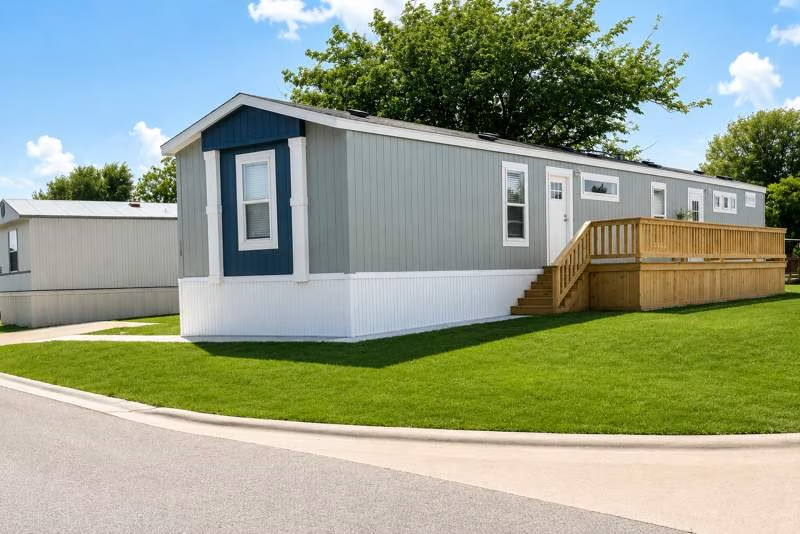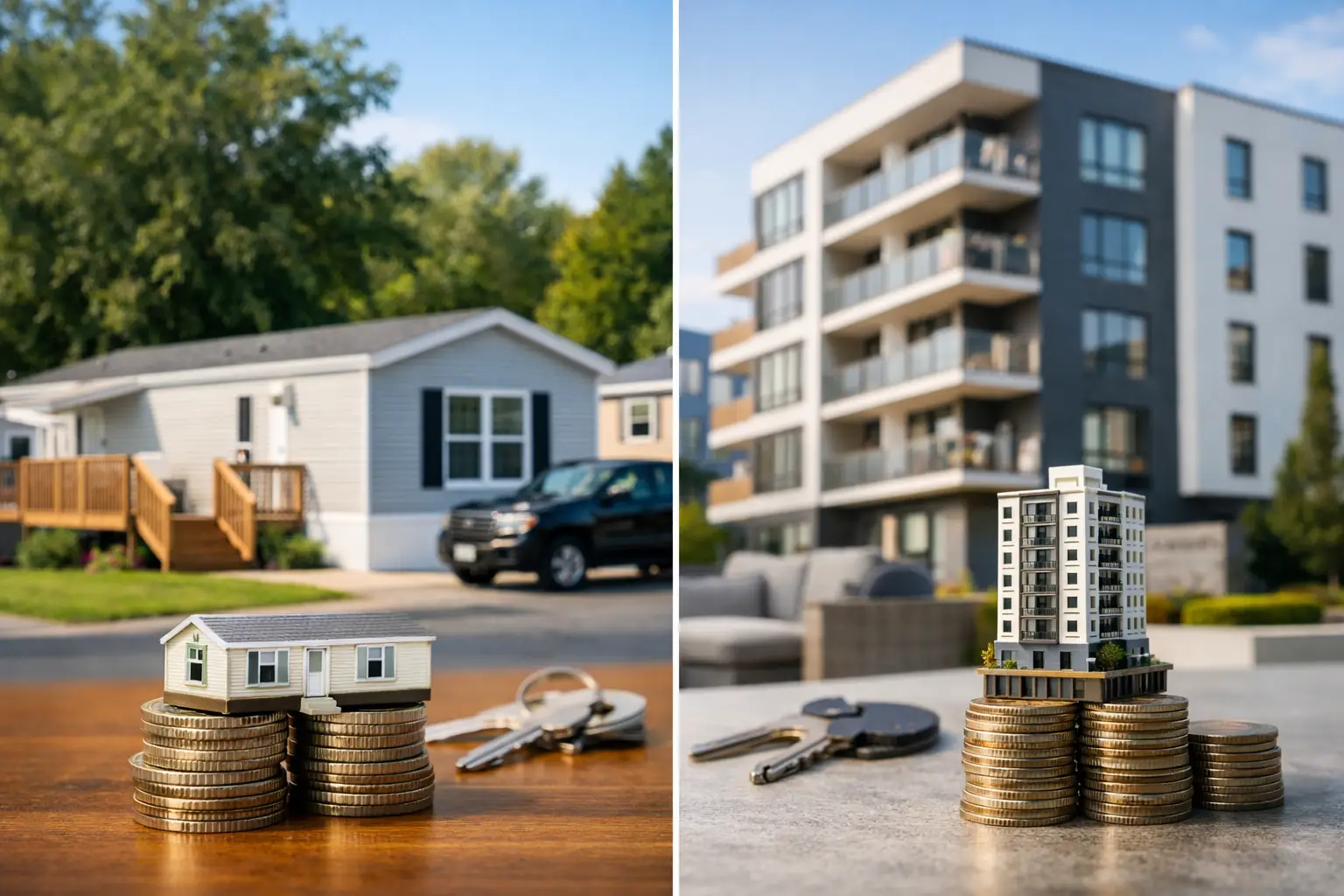
A lower advertised payment can be appealing, but the number alone rarely tells the full housing story. When comparing lot lease versus apartment rent, the real question is not simply which option costs less this month. It is which home setup gives your household the right mix of space, stability, responsibilities, and connection to a neighborhood.
For many working adults and families, apartment living offers convenience and a familiar rental structure. A manufactured home on a leased lot can offer a different kind of value: a home of your own, a more residential setting, and the opportunity to build roots in a well-managed community. Neither choice is automatically right for everyone. Understanding how the costs and commitments work can help you choose with confidence.
What a Lot Lease Means
A lot lease means you own the manufactured home, or are purchasing it, while leasing the land beneath it from the community. Your monthly lot rent typically supports the use and upkeep of the community property, including streets, common areas, community infrastructure, and on-site management.
This arrangement separates the home from the land. You are responsible for your home in many of the same ways a homeowner would be, while the community is responsible for maintaining the shared environment according to the terms of your lease and community rules.
That is different from renting a manufactured home. When you rent both the home and the lot, the arrangement is closer to apartment rent because the housing provider owns the home itself. If you are reviewing home listings, ask whether the monthly payment is for the home, the lot, or both. Clear answers upfront make it easier to compare options fairly.
Lot Lease Versus Apartment Rent: The Monthly Cost Picture
Apartment rent is usually one payment for the unit, though utilities, parking, pet fees, storage, renter’s insurance, and amenity fees may be separate. In some buildings, water, trash, or internet may be included. In others, those expenses can change the true monthly cost significantly.
With a lot lease, your monthly payment is generally for the homesite and community services, not the manufactured home payment itself. If you financed the home, your budget may include a loan payment, lot rent, utilities, insurance, and maintenance. If you own the home free and clear, lot rent may be your primary housing payment aside from utilities, insurance, taxes where applicable, and upkeep.
The comparison should focus on the full monthly picture, not just the largest line item. A two-bedroom apartment may appear less expensive than a manufactured home purchase at first glance, but the apartment could have less storage, fewer parking options, or a higher rent increase at renewal. A manufactured home may require more direct responsibility, while providing additional room and a stronger sense of permanence.
Before making a decision, write down these four categories for each option:
- Monthly housing payment, including rent, lot rent, or a home loan payment
- Utilities, insurance, parking, pet, and other recurring fees
- Expected maintenance costs and who handles repairs
- One-time move-in costs, including deposits, application fees, and moving expenses
A budget built around all four categories is more useful than comparing two advertised prices.
Space, Privacy, and Everyday Living
Apartments work well for people who want a compact home with limited exterior maintenance. They can be especially practical for someone relocating quickly, living alone, or seeking a short-term housing arrangement. Shared walls, shared hallways, and limited outdoor space may be a reasonable trade-off for that convenience.
A manufactured home on a leased lot often feels more like a traditional neighborhood setting. Depending on the home and community, residents may have a driveway, yard space, room for outdoor seating, and more separation from neighboring homes than they would in a typical apartment building. That can matter for households with children, pets, hobbies, or simply a desire for a quieter daily routine.
More space also comes with more responsibility. Homeowners may need to handle repairs inside the home, care for their yard within community standards, and plan ahead for maintenance. For many residents, that responsibility is worthwhile because it comes with greater control over their living space. For others, the convenience of submitting a maintenance request for nearly every issue in an apartment is the better fit.
Stability Has Different Meanings
Apartment renters may have the flexibility to move after a lease ends, which can be helpful if a job, school, or family situation is changing. The trade-off is that rent can rise at renewal, availability can shift, and the apartment may never feel like a long-term home base.
A lot lease arrangement can support a more settled lifestyle, particularly when you own the manufactured home. You are not renting a unit that may be turned over to another resident at the end of a lease term. You have a home in a community, with the ability to personalize your interior and establish routines with neighbors.
Still, stability depends on the community as much as the home. Review the lease carefully, understand lot rent policies, and ask how the community communicates changes or handles resident concerns. Look for a place where property standards are visible, streets and lighting are cared for, and management is accessible. Those details shape daily life more than a brochure ever can.
Community Rules Are Part of the Value
Some renters hear “community rules” and assume they are restrictive. In a well-run manufactured home community, reasonable standards can protect the experience residents are paying for. Expectations around parking, pets, home exteriors, landscaping, and noise help keep shared spaces clean, safe, and respectful.
Apartment buildings also have rules, from quiet hours to guest policies and parking restrictions. The difference is often how those expectations show up in the neighborhood. A community with attentive management can help residents feel comfortable walking outside, spending time with neighbors, and taking pride in where they live.
At Medallion Communities, that focus is part of the day-to-day approach: creating a welcoming place where residents can enjoy attainable housing without giving up a sense of belonging. A community should feel cared for, not merely occupied.
Questions to Ask Before You Choose
Ask the same practical questions whether you are considering an apartment or a leased lot. What is due before move-in? Which utilities are your responsibility? How are maintenance requests handled? Are pets permitted, and what fees apply? Where will guests park? What happens when your lease term ends?
For a lot lease, add a few ownership-specific questions. Is the home already in the community, or will you be moving your own manufactured home in? What are the requirements for the home’s age, condition, installation, and skirting? What maintenance belongs to the homeowner, and what is maintained by the community? Can you review the community rules before committing?
The quality of the answers matters. A clear lease, responsive staff, and straightforward policies are signs of a housing provider that respects residents’ time and plans.
Which Option Fits Your Next Chapter?
Apartment rent may be the right choice when flexibility and minimal maintenance matter most. A lot lease may be a stronger fit when you want more room, a neighborhood feel, and a path toward homeownership without purchasing land. The best decision depends on your budget, timeline, household needs, and comfort with home maintenance.
Give yourself permission to look beyond the monthly payment. Visit the property, notice how it is maintained, picture your normal weekday there, and ask the questions that affect your life after move-in day. A home should support more than your budget. It should give you a place to settle in, feel respected, and build the routine you want.