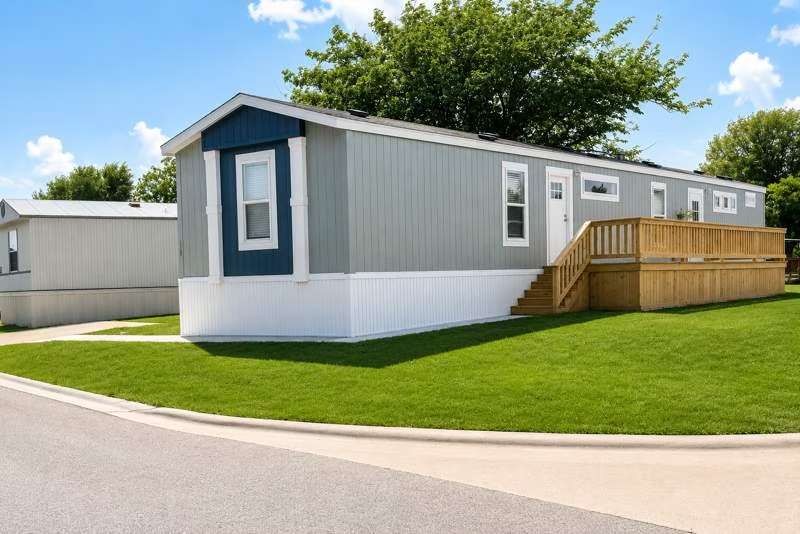
A housing budget can feel tight long before the month is over. Between rising home prices, rent increases, down payments, and repair costs, many families and working adults are looking for a home that gives them room to breathe without asking them to settle for less. That is the real question behind why choose manufactured housing for affordability: how can a home cost less while still offering comfort, privacy, and a neighborhood where people feel they belong?
Manufactured housing is not the outdated stereotype some people imagine. Today’s homes can include open living spaces, modern kitchens, energy-conscious features, multiple bedrooms, and thoughtful layouts for everyday life. When paired with a well-managed community, manufactured housing can offer a practical path to renting or owning a home at a price that makes more sense for real household budgets.
Why Choose Manufactured Housing for Affordability?
The clearest answer is that manufactured homes are built through an efficient, controlled construction process. Rather than completing every stage of construction on an individual homesite, manufacturers build homes indoors using repeatable processes and materials purchased at scale. That efficiency can help reduce construction costs compared with many site-built homes.
Lower construction costs do not mean a lesser standard. Manufactured homes are built to federal construction and safety standards, and modern floor plans are designed around how people actually live. You may find spacious kitchens, dedicated laundry areas, primary bedrooms, storage, and family-friendly common areas in a footprint that is easier to afford.
For buyers, the lower purchase price may reduce the amount needed for a down payment and monthly financing. For renters, a manufactured home can provide more space and privacy than an apartment at a similar price point, depending on the market and the home. That can be especially meaningful for households that need bedrooms, outdoor space, or room for pets and daily routines.
Affordability also means having choices. Some residents want to rent now while they build savings or determine where they want to put down roots. Others are ready to purchase a home and gain the stability of ownership. Homeowners who already own a manufactured home may simply need a community with an available lot, clear standards, and dependable management. Manufactured housing communities can serve each of these needs.
A Lower Price Is Only Part of the Value
The cost of the home matters, but so does the cost of living in it. A housing decision should account for monthly payments, lot rent when applicable, utilities, insurance, maintenance, transportation, and the time it takes to get to work, school, family, and essential services.
Manufactured housing can create value by making the overall housing picture more manageable. A more attainable home price can leave room in a household budget for savings, groceries, child care, health care, and the everyday expenses that do not disappear just because someone becomes a homeowner. It may also help residents avoid stretching so far financially that a single repair or unexpected bill becomes a crisis.
Location makes a difference here. A home that is less expensive but far from work or services can add substantial transportation costs. When comparing options, consider the full monthly picture rather than focusing only on the advertised home price. A community near employment centers, schools, shopping, and major routes may offer a better fit even if another option appears cheaper at first glance.
Renting Can Provide a Practical Starting Point
Renting a manufactured home can be a useful option for people who want the feel of a home without taking on ownership responsibilities right away. It may offer more separation from neighbors than a traditional apartment, along with a yard, driveway, or additional interior space depending on the home and community.
For a household adjusting to a new job, a growing family, or a move to a new area, renting can provide flexibility. It gives residents a chance to learn the community, understand their monthly expenses, and decide whether buying a home is the right next step.
Ownership Can Build Stability
For many buyers, manufactured housing makes homeownership feel possible sooner. Instead of waiting years to save for a higher-priced site-built home, a buyer may be able to purchase a manufactured home that meets current needs and supports long-term goals.
Homeownership brings responsibilities, including maintenance, insurance, financing, and community rules. Yet it can also bring the satisfaction of having a place to personalize, care for, and call home. The right home is not necessarily the largest one on the market. It is the one that supports a stable life without overwhelming the budget.
Community Living Adds Everyday Value
A manufactured home is more than the walls around it. The community where it sits affects how home feels every day. Clean streets, maintained common areas, working infrastructure, clear expectations, and responsive management all matter.
A well-run manufactured home community can offer a neighborhood setting that is increasingly hard to find at an attainable price. Residents may have space to greet neighbors, watch children play, attend community activities, or simply enjoy a quieter routine than apartment living allows. Clubhouses, shared spaces, lighting, streets, and landscaping are not just amenities on a list. They shape the experience of coming home.
This is where management makes a meaningful difference. Communities need standards that protect residents and property values, along with a team that communicates clearly and addresses concerns. Rules should help create a respectful environment, not leave residents guessing about what is expected. When a community is cared for, residents can feel greater confidence in inviting family over, walking their neighborhood, and putting down roots.
Medallion Communities is built around that responsibility. Its focus on maintained communities, attentive management, and a sense of belonging reflects a simple belief: affordability should not require residents to give up pride in where they live.
What to Compare Before You Decide
Manufactured housing can be an excellent value, but every home and community is different. The best decision comes from asking direct questions and comparing complete costs. Do not assume that every low advertised price represents the same long-term value.
Start by reviewing whether the home is for rent or sale and what is included in the monthly cost. If you are purchasing, ask about financing options, insurance requirements, taxes, expected maintenance, and whether the home is new or pre-owned. If the home is located in a land-lease community, understand the monthly lot rent, what services it includes, and how changes to that cost are handled.
You should also ask about utility connections, parking, pet policies, community guidelines, and the application process. If you own a manufactured home and plan to move it into a community, confirm the home’s age, condition, size, installation requirements, and any approval standards before making moving arrangements.
A visit can tell you what a listing cannot. Look at the condition of roads, lighting, homesites, landscaping, and shared spaces. Notice whether the community appears orderly and lived in. Ask how maintenance requests are handled and who residents contact when they need help. These details reveal whether affordability is supported by good operations or merely presented as a low number.
The Trade-Offs Deserve an Honest Look
Manufactured housing is not a one-size-fits-all solution. Some buyers may prefer to own both their home and the land beneath it. Others may find that local zoning, financing availability, lot rent, or a community’s location does not fit their plans. A family that needs to be close to a particular school district or workplace should weigh that need carefully.
Resale value can also vary based on the home’s condition, location, market demand, community reputation, and whether land is included with the sale. Like any home purchase, it is wise to inspect the home, understand the terms, and consider how long you expect to stay.
Still, these trade-offs should be viewed alongside the alternatives. For many households, the choice is not between a manufactured home and an ideal site-built home. It may be between a manageable home and an unaffordable mortgage, between a neighborhood setting and an apartment that no longer fits, or between continuing to wait and taking a realistic step toward stability.
Affordability Should Feel Like Possibility
The strongest reason to consider manufactured housing is not simply that it can cost less. It is that a more manageable housing payment can create options: the option to save, to spend less time worrying about bills, to give children a consistent place to grow, or to live in a community where neighbors and management share a commitment to a well-kept environment.
A home should support the life you are building. As you compare your options, look for a home and community that make the numbers work while giving you a place you will be proud to return to each day.