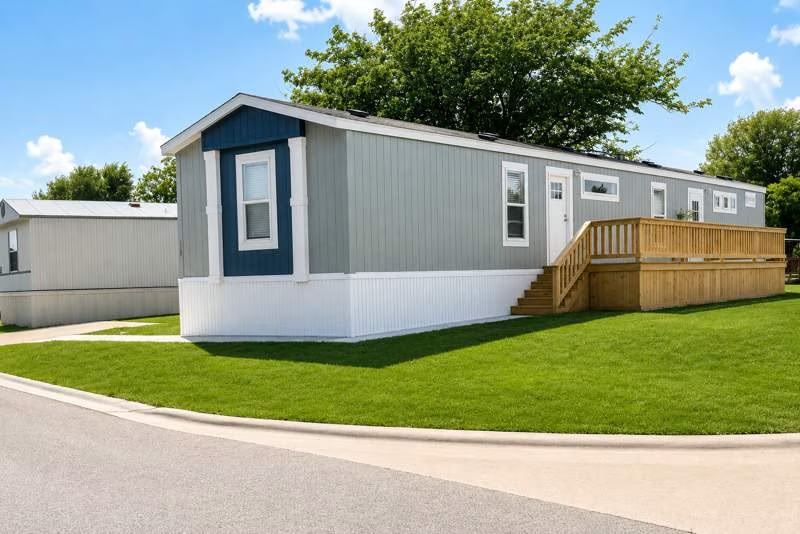
A freshly mowed entrance, trimmed common areas, and homes with tidy lawns send a clear message before anyone says a word. They tell residents and visitors that this is a place people care for. That is why one of the most common questions prospective residents ask is who handles yard maintenance in communities. The answer matters because lawn care is not just about appearance. It affects safety, curb appeal, neighborhood pride, and the day-to-day experience of living there.
In most manufactured home communities, yard maintenance is shared between community management and residents, but the exact split depends on the lease, community rules, and whether the home is rented, owned, or brought into the community by the resident. There is no one-size-fits-all answer. A well-managed community makes responsibilities clear from the start so residents know what to expect and what is expected of them.
Who handles yard maintenance in communities most of the time?
In many communities, management takes care of the shared spaces. That usually includes the entrance, community green spaces, clubhouse grounds, playgrounds, drainage areas, and sometimes vacant lots. These are the spaces that create the overall first impression and support a clean, welcoming environment for everyone.
Residents, meanwhile, are often responsible for the yard tied directly to their home site. That can mean mowing their lawn, trimming around steps or skirting, removing weeds, picking up debris, and keeping the lot free of clutter. If a resident rents a home rather than owns it, some communities may include certain lawn services as part of the rental arrangement. Others may still expect the resident to handle basic upkeep. The difference usually comes down to the agreement in place.
This shared model works well when it is communicated clearly. Management protects the look and function of the broader neighborhood, while residents help maintain the individual spaces they use every day. When both sides do their part, the result is a community that feels cared for instead of patchy or neglected.
What community management usually covers
Professional community management is typically responsible for the areas that serve all residents. These are not just cosmetic tasks. They help preserve property standards and support a safer environment.
Grass cutting and landscaping in common areas are usually at the top of the list. Management may also handle seasonal cleanup around shared spaces, tree trimming in common zones, irrigation for community grounds, and removal of branches or storm debris from public areas. If the community has walking areas, signage, mail centers, or gathering spaces, keeping those surroundings maintained often falls to the management team as well.
There is also a practical reason for this arrangement. Shared spaces need consistent attention, and that usually requires coordinated scheduling, equipment, and oversight. Residents should not have to guess who is responsible for mowing the front entrance or clearing debris near a community amenity. Good management handles those details because they shape everyday quality of life.
At communities focused on long-term livability, yard maintenance is part of a broader standard of care. Clean grounds work alongside maintained roads, lighting, and infrastructure. Together, those details help transform the experience of community living from basic housing to a neighborhood people feel proud to call home.
What residents are often expected to handle
If the lot is assigned to an individual home, the resident is often responsible for keeping that space neat. This is especially common when a resident owns the home or has moved their manufactured home into the community. In that situation, lawn care is usually treated much like it would be in any other neighborhood. The resident is expected to maintain the space around their home within community guidelines.
That might include mowing on a regular schedule, edging sidewalks or driveways, pulling weeds, and keeping flower beds or decorative landscaping under control. Residents are also commonly expected to remove personal items that make the lot look cluttered, such as broken outdoor furniture, excess storage, or unapproved structures.
There can be gray areas, though. If a tree limb falls from a community-owned tree onto a resident’s lot, the question of who clears it may depend on where the tree stands and what the lease says. If a resident is elderly or physically unable to maintain the yard, some communities may offer resources or guidance, but that does not always mean the responsibility shifts automatically to management.
The key point is simple: lot maintenance is often part of being a good neighbor. It supports the shared appearance of the community and helps prevent small issues from becoming larger problems.
Why the answer depends on the type of housing arrangement
The question of who handles yard maintenance in communities often comes back to how the resident lives there. Someone renting a home may have a different arrangement than someone who owns the home but leases the lot. A household moving an existing manufactured home into a community may have yet another set of responsibilities.
For renters, lawn care may sometimes be bundled into the monthly housing arrangement, especially in communities that want to simplify upkeep for residents. That can be a real advantage for busy families and working adults who want predictable housing costs and fewer chores to manage. But it should never be assumed. If lawn service is included, it should be stated clearly.
For homeowners, the expectation is often more hands-on. Since the resident owns the home, they are usually responsible for maintaining the lot around it according to community standards. This balance gives residents more independence while still protecting the overall appearance and value of the neighborhood.
That is why reviewing lease terms, community rules, and move-in materials matters. A strong community management team does not leave these questions vague.
Why yard maintenance rules exist in the first place
Some people hear the word rules and immediately think restrictions. In reality, yard maintenance standards are usually there to protect residents, not frustrate them. Overgrown grass can attract pests. Untrimmed areas can create fire risk in some regions. Yard debris can block drainage or make a neighborhood feel neglected.
Just as important, visible upkeep affects how people feel where they live. Clean lots and maintained common areas create a stronger sense of order, safety, and belonging. They also help protect the reputation of manufactured home communities, which have too often been judged by outdated stereotypes instead of the reality of well-managed neighborhoods.
When standards are enforced fairly, residents benefit. Families want children to play in clean surroundings. Working adults want to come home to a neighborhood that feels stable and cared for. Homeowners want the community around them to reflect the pride they take in their own property.
Questions to ask before you move in
If yard care matters to you, ask specific questions before signing anything. Do not settle for a general answer like we keep the place looking nice. Ask which areas management maintains, which tasks residents must handle, whether lawn service is included for rentals, and how often upkeep standards are inspected.
It also helps to ask what happens if a resident falls behind. Some communities issue notices and allow time to correct the issue. Others may offer maintenance support for a fee. The process matters because it shows whether management is organized, fair, and attentive.
A well-run community should be able to explain expectations in plain language. That clarity is part of good management. At Medallion Communities, that kind of operational transparency supports the bigger goal of creating places that feel welcoming, respected, and cared for.
The real issue is not just who does the work
The better question is whether the community has a dependable system for keeping the neighborhood in good shape. A community can assign every lawn task perfectly on paper and still fall short if standards are inconsistent or concerns go unanswered. On the other hand, a community with clear responsibilities and responsive management tends to feel stable from the moment you drive in.
Yard maintenance is one of those everyday details that says a lot about how a community operates. It shows whether management is attentive, whether residents understand the standards, and whether the neighborhood takes pride in itself. That matters if you are looking for affordable housing without giving up the feeling of home.
Before choosing a community, look beyond the brochure and ask how upkeep really works. The right answer is not always that management handles everything. Often, the best communities are the ones where responsibilities are shared clearly, expectations are fair, and the result is a place that feels clean, welcoming, and lived in with pride.
![Camping Near [Landmark] for a Better Stay](https://medallioncommunities.com/wp-content/uploads/2026/10/camping-near-landmark-for-a-better-stay-featured-150x150.webp)