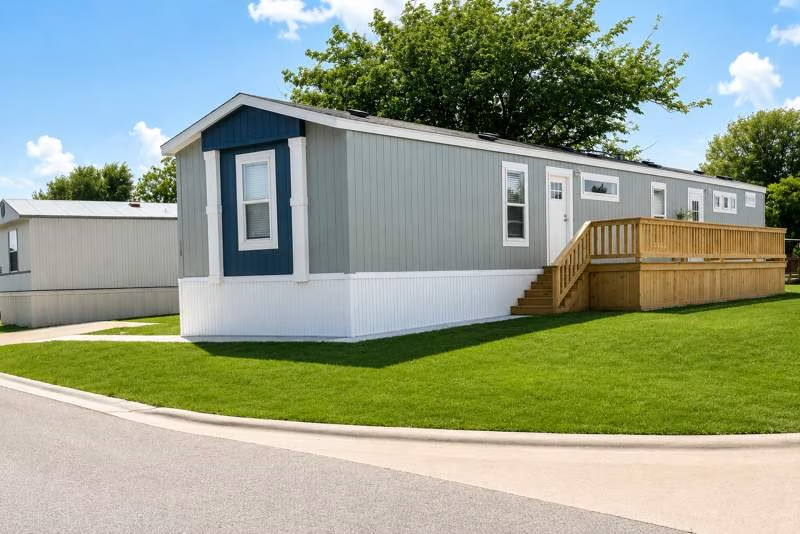
Rents rise, home prices stay stubborn, and many families feel like they have to choose between affordability and a place that actually feels like home. A good guide to affordable community living starts by rejecting that false choice. The right community can offer predictable housing costs, a neighborhood feel, and day-to-day stability without asking you to stretch your budget past the breaking point.
For many households, that means looking beyond the usual apartment-versus-house debate. Community living, especially in a well-managed manufactured home community, can create a different path – one built around value, belonging, and practical livability. Not every community delivers that equally well, though. Affordability matters, but so do management, upkeep, safety, and the everyday experience of living there.
What affordable community living really means
Affordable community living is not just about finding the lowest monthly payment. Cheap and affordable are not the same thing. Cheap can come with hidden costs – unreliable management, poor maintenance, extra fees, or a setting that does not feel secure or cared for. Affordable means the housing cost fits your budget while still supporting a stable, comfortable life.
That usually includes more than the home itself. You are also choosing the condition of the streets, the quality of lighting, the responsiveness of management, the standards for property upkeep, and the overall atmosphere of the neighborhood. If those things are neglected, a lower monthly payment may not feel like a bargain for long.
In the best communities, affordability works together with livability. Residents are not only paying for a place to sleep. They are investing in a setting where people know their neighbors, common areas are maintained, and management takes the health of the community seriously.
A guide to affordable community living starts with the full monthly picture
One of the biggest mistakes renters and buyers make is focusing on the sticker price alone. A home that looks affordable at first glance may become much less manageable once all recurring costs are added in. Before making a move, look at the full monthly picture.
That includes rent or lot fees, utilities, insurance, maintenance responsibilities, and any application or move-in costs. If you are buying, you should also think through financing terms, ongoing repairs, and what your long-term housing costs may look like compared with a traditional site-built home or apartment. If you already own a manufactured home and want to move it into a community, transportation, setup, and site readiness all need to be part of the budget conversation.
Predictability matters almost as much as the total number. Many residents are not only trying to lower housing costs. They are trying to avoid financial surprises. A community with clear policies, straightforward lease or purchase terms, and organized payment systems can make monthly budgeting much easier.
Why management quality changes the value equation
Two communities can offer similar pricing and look very different once you live there. The difference is often management. Strong community management protects the value of affordability by making sure standards are upheld and issues get addressed.
That shows up in small details and big ones. Are maintenance concerns handled promptly? Are common areas clean? Are streets and lighting in good condition? Do residents know how to get answers when they need them? These operational basics shape whether a community feels stable and respectful.
For budget-conscious households, responsive management is not a luxury. It is part of the value you are paying for. A lower monthly rate means less if problems linger, communication is unclear, or the neighborhood feels neglected. On the other hand, a well-run community can support a better quality of life without pushing costs into traditional single-family-home territory.
This is one reason manufactured home communities deserve a closer look than they often get. The old stereotypes do not reflect what many residents actually want or experience. In a professionally managed community, residents can find attainable housing paired with visible standards, practical amenities, and a stronger sense of order than many people expect.
How to compare your housing options honestly
When people weigh apartments, site-built homes, and manufactured home communities, they often compare them unevenly. An apartment might seem simpler because exterior maintenance is handled for you. A house might seem ideal because of privacy and ownership. A manufactured home community may seem like the middle ground, but that middle ground can be exactly what makes it appealing.
Renting in a community can offer lower costs than many apartment markets while giving residents more space and a more neighborhood-centered environment. Buying a manufactured home can open a path to homeownership at an entry-level price point that feels more realistic than a conventional home purchase. For homeowners bringing in their own home, community living can provide a managed setting with infrastructure and standards already in place.
The trade-offs are real. Rules and community standards are part of the experience, and some buyers may prefer the flexibility of a stand-alone property. But for many households, those standards are not a drawback. They are part of what keeps the neighborhood clean, consistent, and comfortable.
What to look for when touring a community
A strong guide to affordable community living should help you evaluate what you can actually see. Touring a community is not only about the home itself. It is about whether the entire environment supports the life you want to build.
Start with the condition of the property. Look at roads, lighting, landscaping, and shared spaces. Notice whether homes appear cared for and whether the community feels orderly without feeling unwelcoming. Pay attention to signs of ongoing investment. Upgraded infrastructure often says a lot about how seriously a community takes long-term quality of life.
Then assess the human side. Ask how maintenance requests are handled, how residents communicate with management, and what the application or move-in process looks like. If the community offers digital tools for tasks like applying or paying rent, that can make everyday living more convenient and transparent.
It also helps to ask about the resident mix and community culture. Families, working adults, retirees, and long-term residents often value different things, but they usually agree on the essentials: safety, respect, and a neighborhood that feels cared for. If a community talks clearly about standards and backs them up with consistent management, that is usually a positive sign.
When renting makes sense and when buying may fit better
Affordable community living is not one-size-fits-all. Renting can be the better choice if you want lower upfront costs, more flexibility, and a simpler move. It can also work well for households who want to test a community before making a longer-term commitment.
Buying may make more sense if you want stability, a stronger sense of ownership, and a chance to build a more permanent home base at a lower entry point than many traditional homes. The right choice depends on your job situation, savings, timeline, and comfort with maintenance responsibilities.
If you already own a manufactured home, moving it into a well-managed community can be a smart option, but it requires careful planning. Site compatibility, transport logistics, utility hookups, and community requirements all matter. It is worth having detailed conversations upfront so you understand costs, timelines, and what the move involves from start to finish.
Affordable should still feel like home
People do not just want lower housing costs. They want to come home to a place that feels steady, welcoming, and worth staying in. That is where community living can stand apart. When neighbors know each other, management stays attentive, and the property is maintained with care, affordability stops feeling like a compromise.
That is also why reputation matters. Communities that actively work to improve streets, lighting, cleanliness, and resident support are doing more than maintaining property. They are protecting trust. For many residents, that trust is what turns a housing option into a real home.
Medallion Communities is part of that larger shift in how people think about manufactured home living – not as a fallback, but as a practical and community-oriented choice for households that want value, stability, and a place to belong.
If you are weighing your next move, keep your standards high. Affordable living should lower pressure on your budget, not your expectations. The right community can give you both room to breathe financially and a neighborhood that feels good to be part of.