A Texas forecast can shift from humid and still to damaging wind, hail, flash flooding, or a tornado warning in a matter of hours. This Texas storm preparedness guide is designed for the moments before weather turns serious, when a few calm decisions can make your home, RV, family, and belongings safer.
Preparedness is not about fearing every storm. It is about knowing where to go, what to bring, and who to contact so that you can respond without scrambling. Whether you live in a manufactured home, are staying in an RV, or keep important possessions in storage, your plan should fit your property and your daily routine.
Start With Your Local Warning Plan
Weather apps are useful, but do not rely on one notification alone. Keep emergency alerts enabled on your phone, and know how your county and local emergency management office issue warnings. A watch means conditions could produce severe weather. A warning means dangerous weather is happening or expected imminently, and it is time to act.
Your household should agree on a simple plan before a warning is issued. Choose a meeting point, identify an out-of-area contact, and make sure everyone knows how to send a short text if calls will not go through. Text messages often work more reliably than voice calls when networks are congested.
If you live in a managed community, pay attention to property communications and posted emergency procedures. Community management can share site-specific information, but each household still needs to know its safest available shelter location. Do not wait until the sky turns green or sirens begin to decide where you will go.
Know the Difference Between Shelter and Convenience
The closest place is not always the safest place. For tornadoes and destructive straight-line winds, seek a sturdy building with a designated storm shelter, safe room, basement, or a small interior room on the lowest level, away from windows. Bathrooms and closets may offer protection in some conventional homes, but the structure itself matters.
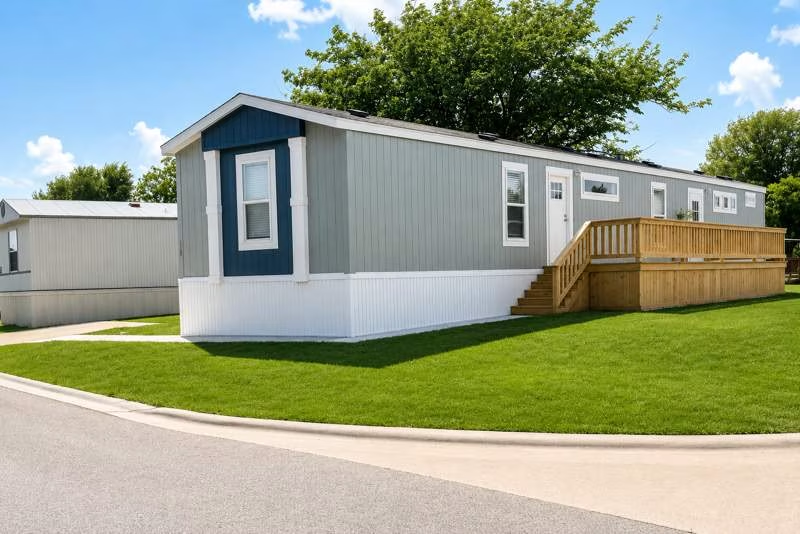
Manufactured homes and RVs require special consideration. They should never be your shelter during a tornado warning, even when tied down and well maintained. Identify a permanent shelter in advance, such as a nearby community storm shelter, a trusted neighbor’s conventional home, or another designated public shelter. If your community has a shelter plan, learn its location, access hours, and any rules before storm season arrives.
Build a Storm Kit You Can Grab Quickly
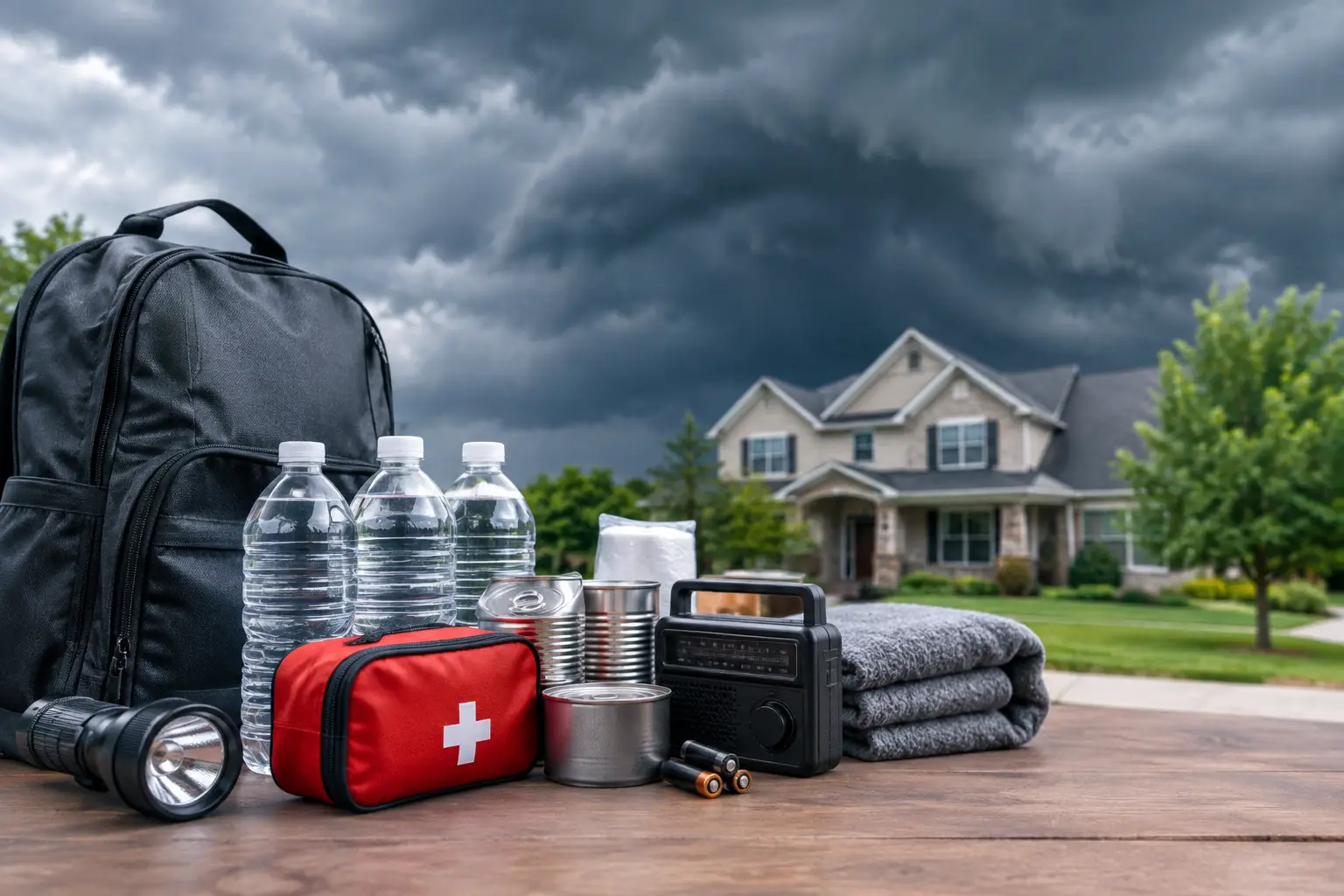
A storm kit should be practical, portable, and easy to find in the dark. Store it in a waterproof bin or backpack near your exit route, not buried in a closet behind seasonal decorations. Check it twice a year, especially before spring severe-weather season and before winter weather becomes possible.
Include enough drinking water and nonperishable food for your household, plus medications, a first-aid kit, flashlights, extra batteries, a battery-powered weather radio, phone charging banks, and copies of key documents in a waterproof pouch. Add cash in small bills, sturdy shoes, work gloves, hygiene supplies, pet food, and items your children or older family members may need.
Four often-overlooked items deserve a place in the kit:
- A whistle to signal for help if you are trapped or cannot call.
- A manual can opener for shelf-stable food.
- A paper list of emergency contacts and insurance information.
- A basic tool kit with a wrench or pliers to shut off utilities if instructed.
Keep your vehicle at least half full of fuel when severe weather is expected. During a widespread outage, gas stations may be closed, card readers may be down, and roads may be blocked. Your car is not a substitute for a storm shelter, but it can be essential for a safe evacuation or a trip to meet family afterward.
Prepare Your Home Before the Wind Picks Up
The best time to secure outdoor items is when the forecast first calls for severe weather, not when gusts have already begun. Patio furniture, grills, trash bins, planters, toys, and loose decorations can become dangerous projectiles. Bring them inside when possible or secure them according to manufacturer guidance.
Walk around your home with a practical eye. Clear gutters so water can drain away, trim dead branches that could fall, and inspect steps, handrails, skirting, and exterior connections for visible concerns. If you rent your home or site, report maintenance issues promptly rather than attempting repairs that may affect the property or your safety.
For manufactured homes, confirm that tie-downs and anchors are inspected and maintained by qualified professionals as needed. These systems are essential, but they do not make a manufactured home safe to occupy during a tornado. Their purpose is to improve stability in routine weather conditions and reduce risk, not replace a designated storm shelter.
Close windows and exterior doors during severe weather, but do not tape windows or open them to equalize pressure. Those old recommendations do not prevent damage. Move away from glass, cover your head and neck with pillows, blankets, or a helmet if available, and keep shoes nearby in case debris makes walking hazardous after the storm.
Flooding Requires an Earlier Decision
Texas storms can bring intense rainfall far from the coast, especially where drainage is limited or waterways rise quickly. If local authorities issue an evacuation order, leave promptly. Waiting to see whether water reaches your door can turn a manageable trip into a dangerous rescue situation.
Never drive through flooded roads. Water depth is difficult to judge at night, moving water can sweep a vehicle away, and road surfaces may be washed out beneath the water. Turn around and choose another route. If water begins rising around your home, follow local emergency instructions and move to higher ground only when it is safe to do so.
RV Storm Preparedness Calls for Flexibility
RV travel brings freedom, but it also means weather conditions can change faster than your plans. Before checking into a site, ask where guests should go during a tornado warning and how the property communicates urgent updates. A well-managed RV park should make emergency information clear, but visitors should still keep a weather radio or alert-enabled phone close by.
Do not remain in an RV during a tornado warning or when destructive winds are approaching. Leave early for the designated shelter or a sturdy nearby building. Secure awnings, outdoor rugs, chairs, and loose gear when storms are forecast. If you have time before conditions deteriorate, disconnect utilities and follow the park’s site-specific guidance.
For travelers, route planning matters. Check the forecast beyond your current location, particularly during long drives across Texas. An afternoon thunderstorm may be avoidable with an earlier departure, a longer stay, or a change in route. Flexibility can feel inconvenient, but it is far better than trying to outrun severe weather on an unfamiliar road.
Protect Important Belongings and Records
Storm preparedness includes the items that help you rebuild afterward. Photograph your home, vehicle, valuables, and major appliances before storm season. Save the images in a secure cloud account and keep a separate copy of insurance policies, lease documents, identification, and medical information.
A storage unit can help protect belongings from everyday clutter and create more usable space at home, but choose carefully what you store during storm season. Keep irreplaceable documents, family photos, and electronics in waterproof containers. Do not store hazardous materials, and avoid placing valuables directly on the floor if water exposure is a possibility. Ask facility management about access procedures during severe weather, because gates and office operations may be temporarily affected for safety.
After a storm, document damage before moving or discarding items whenever it is safe. Take photos, make notes, and contact your insurer and property management team as appropriate. Avoid downed power lines, damaged utility equipment, standing water near electrical sources, and unstable trees or structures. If you smell gas or suspect a leak, leave the area and contact emergency services or the utility provider from a safe location.
Keep the Plan Current, Not Complicated
The strongest emergency plan is one people can remember under stress. Review yours with the household at the start of each severe-weather season, after moving, and whenever a child, pet, vehicle, or medical need changes. Practice getting to your shelter location, including at night, and make sure every family member can access the storm kit.
Preparedness also works better when neighbors look out for one another. Check on an older resident, a family with young children, or a neighbor who may need help reaching shelter. A clean, attentive community is built long before the warning siren sounds, through small habits of communication, care, and readiness.
When the next storm line appears on the horizon, let your preparation create room for calm. Know your shelter, keep your essentials close, and take warnings seriously early enough to protect what matters most.