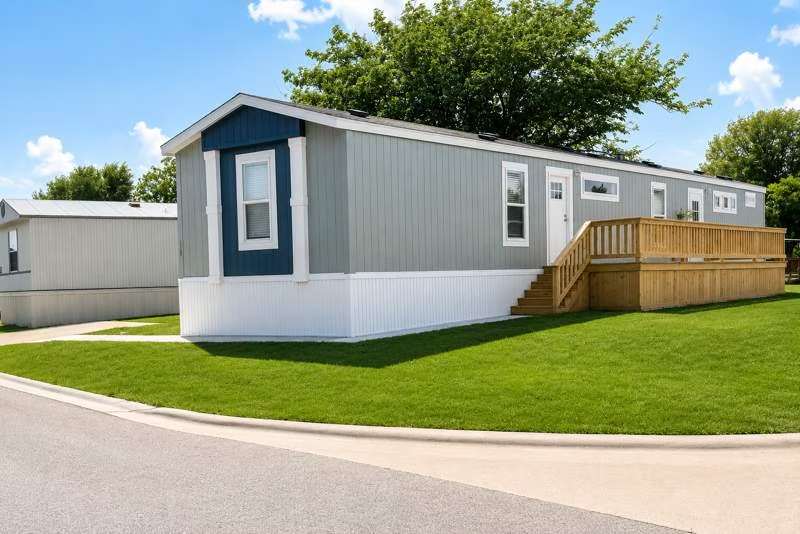
Buying a home is never just about square footage. It is about what your evenings feel like, whether the streetlights work, how quickly issues get addressed, and whether you can picture yourself staying for years. That is why a guide to buying a home in community matters – especially when you are looking for an affordable path to homeownership without giving up stability, safety, and a real neighborhood feel.
For many buyers, a manufactured home community offers a practical middle ground. You can often get more attainable pricing than traditional site-built housing while still living in an established residential setting. But affordability should not be the only lens. The right community can make day-to-day life easier, more social, and more predictable. The wrong one can turn a good-looking home into a frustrating experience.
Why a guide to buying a home in community starts with the neighborhood
A home may be the purchase, but the community shapes the lifestyle. Before you compare floor plans or financing options, look closely at the place where the home sits. Clean common areas, maintained roads, working lighting, visible pride of ownership, and responsive management all tell you something important. They show whether the community is being cared for in a way that protects residents and supports long-term value.
This is where many buyers need to slow down. A lower monthly cost can be appealing, but it is worth asking what is included in that cost and what the overall living experience looks like. Does the community have clear standards for upkeep? Are amenities actually maintained? Do residents seem comfortable outside their homes? Those details reveal far more than a listing description.
If possible, visit at different times of day. A community that feels quiet and well-kept on a weekday afternoon may feel different in the evening or on a weekend. You are not looking for perfection. You are looking for consistency, care, and signs that management takes quality of life seriously.
Know what you are really buying
In many manufactured home communities, buyers own the home but lease the homesite. In others, the setup may differ. That distinction matters because it affects your monthly budget, your responsibilities, and how you should compare housing options.
When you buy a home in a community, your costs may include the purchase price, lot rent, utilities, insurance, taxes, and possible move-in or application fees. That does not make the option less attractive. In fact, for many households, it is still a more manageable path to homeownership. But you need the full picture before you decide what is affordable.
It also helps to understand what the community provides. Some communities include services or amenities that support the value of your monthly payment, such as maintained common areas, onsite management, upgraded infrastructure, or resident spaces that make the neighborhood feel connected. A lower advertised number is not always the better deal if another community offers stronger upkeep and a more dependable living environment.
What to ask before you buy
Good buying decisions usually come from better questions. Start with the practical ones. Ask about lot rent, utility billing, insurance expectations, pet policies, parking, guest rules, and whether there are standards for exterior maintenance. You should also ask how service requests are handled and who manages the community day to day.
Then ask the questions buyers sometimes skip. How often do rents increase? What is the process if you want to sell the home later? Are there age or condition requirements for homes in the community? If you already own a manufactured home and want to move it in, ask about home age limits, skirting, tie-down requirements, inspections, and lot compatibility.
Rules are not a red flag by themselves. In a well-managed community, clear rules often protect residents. They help preserve cleanliness, appearance, and a sense of order. The key is whether the standards are communicated clearly and applied fairly.
The financial side of buying a home in community
Budgeting for a community home means thinking beyond the sticker price. Buyers often focus on the monthly payment for the home itself, but a realistic housing budget should account for every recurring cost. That includes site fees, utilities, maintenance, insurance, and any reserves you want to set aside for repairs.
This is also where honesty matters. A home that stretches your budget too far can create stress even if the purchase price looks attractive at first glance. Predictable housing costs are one of the biggest reasons people choose this path, so the goal is not to buy the most home possible. It is to buy a home that fits your life comfortably.
Financing may look different from a traditional mortgage, depending on the home, the land arrangement, and your lender. Some buyers will find straightforward options. Others may need to compare terms more carefully. If you are early in the process, it is smart to understand your credit profile, down payment range, and monthly comfort level before you fall in love with a specific home.
How to evaluate the home itself
A strong community matters, but the home still needs to work for your household. Start with the basics: layout, bedroom count, storage, natural light, condition of flooring, windows, roofing, HVAC, plumbing, and appliances. If the home is pre-owned, ask about its age, prior updates, and any recent repairs.
Think about function as much as appearance. A beautiful kitchen will not make up for a layout that feels cramped for your family. A lower price may not be a bargain if the home needs major work right away. On the other hand, a modest home in good condition inside a well-kept community can be an excellent long-term choice.
If you are comparing several homes, write down more than price. Note how each one feels, what repairs may be needed, and whether it supports your everyday routine. Can you manage the storage? Is there enough parking nearby? Does the location within the community feel convenient and comfortable? These practical details tend to matter more over time than small cosmetic features.
Management can change your experience
One of the biggest differences between communities is not the homes. It is the management. Responsive, attentive management helps create a place where residents feel respected and secure. You can often see the difference quickly in the condition of shared areas, the clarity of communication, and the way questions are answered.
This is especially important for first-time buyers. You want to know that if a concern comes up, there is a process. You want billing to be straightforward, applications to be organized, and expectations to be clear. Communities that invest in systems, resident communication, and property improvements tend to offer a more stable experience over time.
That is one reason many buyers look for established operators with a reputation for keeping communities clean, improving infrastructure, and supporting residents after move-in. Medallion Communities is built around that idea – affordable housing should still come with strong management, property standards, and a genuine sense of belonging.
Red flags worth taking seriously
Not every concern means you should walk away, but some should make you pause. Be careful if you cannot get clear answers about fees, rules, or the condition of the home. Pay attention if roads, lighting, or common areas appear neglected. Notice whether management seems hard to reach or unwilling to explain basic policies.
You should also be cautious if a deal feels rushed. Buying a home is a major decision, even when the price point is more accessible than other housing options. A trustworthy community will give you enough information to make an informed choice. Pressure is not a substitute for clarity.
Choosing the right fit for your life
The best home is not always the newest or the cheapest. It is the one that fits your budget, your routines, and your priorities. For some buyers, that means a quiet location with strong upkeep and simple monthly costs. For others, it means a community setting where neighbors know each other, children have space to play, and management keeps the property running well.
A good guide to buying a home in community should leave you with one clear idea: buy the lifestyle as carefully as you buy the home. Look for signs of care, ask direct questions, and choose a place that feels stable from the start. When the home is affordable and the community is well-managed, homeownership can feel less out of reach and a lot more like home.