A rising rent notice can force a hard question fast: keep stretching the budget, or look at housing options that actually fit real life. For many households, affordable housing alternatives are not about settling for less. They are about finding a home that offers predictable costs, a safe environment, and a stronger sense of neighborhood than a standard apartment lease.
That shift matters because the cheapest option is not always the best value. A lower monthly payment means little if the property is poorly managed, the area feels neglected, or basic maintenance becomes a constant fight. When people search for a place to live, they are usually balancing more than price. They are weighing commute time, school access, safety, privacy, and whether the home feels stable enough to build a routine around.
What people really want from affordable housing alternatives
Most households are not searching for novelty. They want a place they can afford this month and still afford six months from now. They want a home that feels cared for, with clear expectations, responsive management, and neighbors who also value a clean, respectful community.
That is why the conversation around affordable housing alternatives should go beyond square footage and rent specials. The better question is this: which option gives you the strongest mix of cost control, livability, and long-term stability?
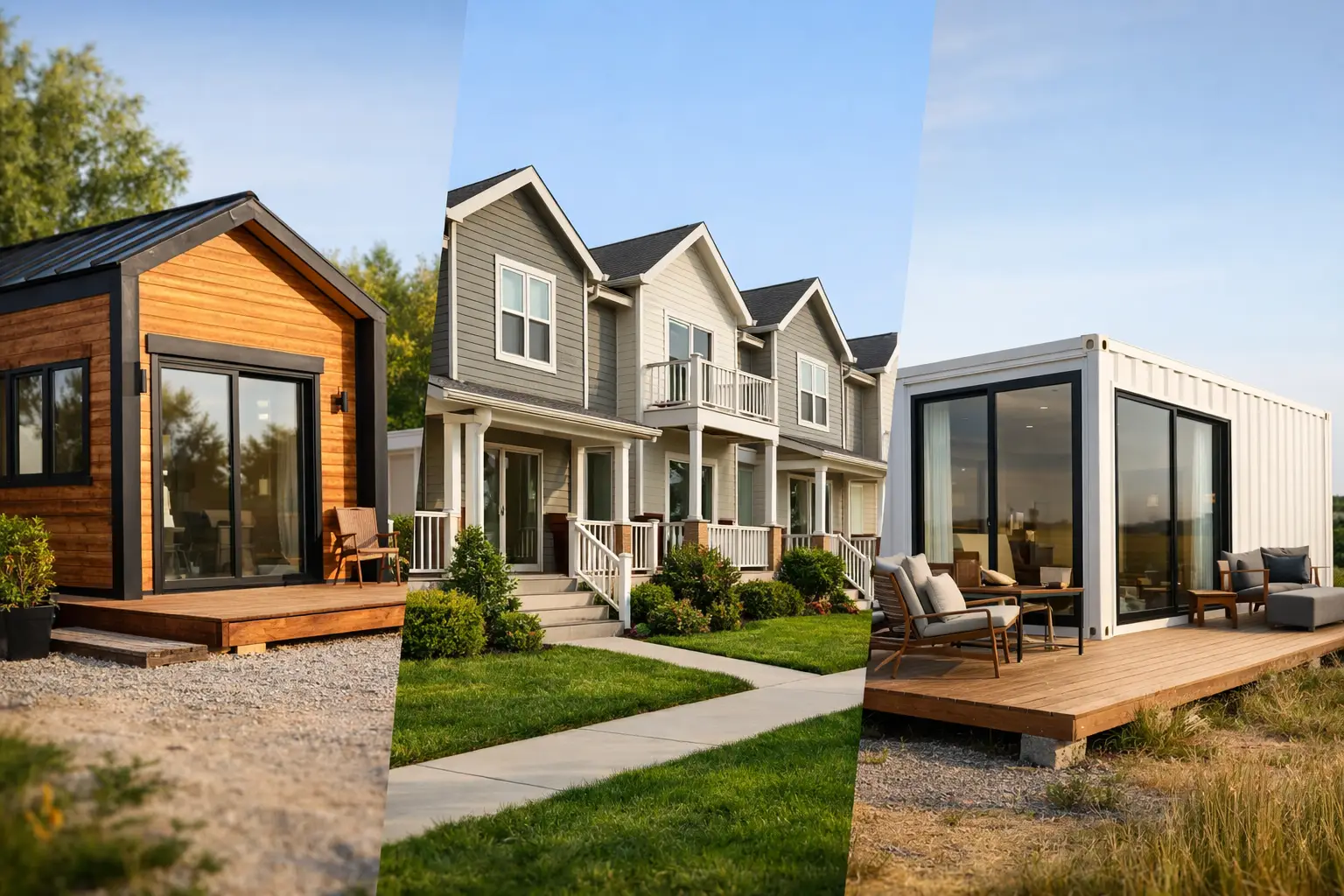
For some, that answer may be a smaller apartment farther from a city center. For others, it may be a duplex, an accessory dwelling unit, or a shared housing arrangement. And for many working adults and families, manufactured housing in a professionally managed community deserves serious attention.
The most common affordable housing alternatives to compare
Apartments remain the default option for many renters, but they are not always the most cost-effective once fees, parking, pet charges, and annual increases are factored in. A lower advertised rate can look very different after the full monthly cost is clear. Apartments can also mean less privacy, limited outdoor space, and less control over how home feels day to day.
Duplexes and small single-family rentals can offer more room and a yard, which is appealing for families or anyone who wants a quieter setting. The trade-off is that these homes are often scattered, harder to find at the right price point, and managed unevenly. One landlord may be highly responsive, while another may leave residents waiting on repairs.
Shared housing can reduce costs quickly, especially for single adults or people in a transition period. But the math only works if the living arrangement stays stable. Roommate turnover, split utility bills, and mismatched expectations can create stress that does not show up in the rent number.
Accessory dwelling units, garage apartments, and other small-format rentals can also work well in certain markets. They often suit people who value simplicity and a smaller footprint. Still, availability is limited, and these homes may not offer the same level of parking, storage, or privacy that a family needs.
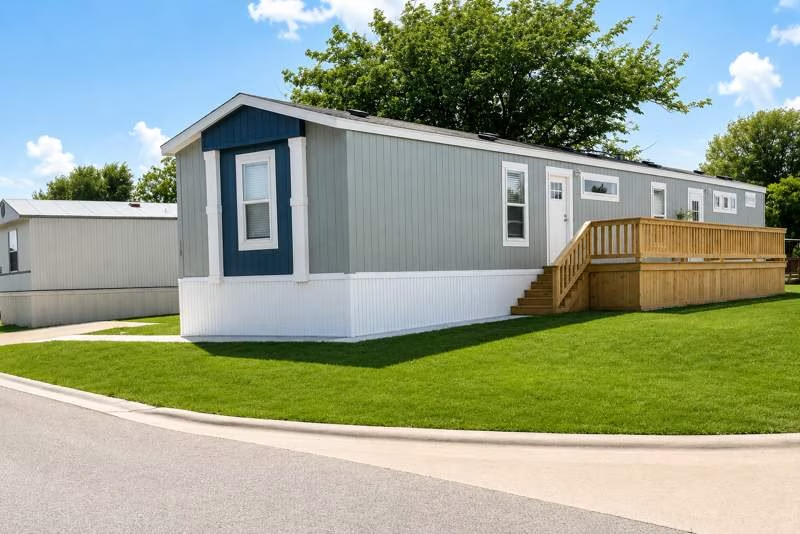
Then there is manufactured housing, which often gets overlooked because of outdated assumptions. In reality, this category can offer one of the clearest paths to attainable housing, especially when it is paired with a well-managed community that takes upkeep, safety, and resident experience seriously.
Why manufactured housing stands out among affordable housing alternatives
Manufactured homes can create a different kind of housing equation. Instead of paying premium apartment pricing for shared walls and limited space, residents may find more room, more privacy, and more predictable monthly costs. Depending on the setup, households may choose to rent a home, buy a home, or move in a home they already own.
That flexibility matters. Some people are not ready to buy but want a home environment that feels more grounded than apartment living. Others want an entry point to homeownership that does not require the same financial jump as a site-built house. Manufactured housing can serve both groups, which is part of why it belongs in any realistic discussion about housing affordability.
There is also a lifestyle piece that often gets missed. In a strong manufactured home community, affordability does not come at the expense of belonging. Residents can have neighbors they know, community spaces they use, and management teams that are visible and accountable. Streets, lighting, lot standards, and common area upkeep all affect how a place feels. Those details are not cosmetic. They shape daily life.
What makes one lower-cost option better than another
Not every affordable option is a good fit, and not every lower price leads to lower stress. The best housing choice usually comes down to how the full picture works for your household.
Monthly cost should be the starting point, not the finish line. Ask what is included, what changes over time, and what hidden costs may appear. Utility structure, maintenance responsibilities, deposits, insurance, commute costs, and move-in expenses can all shift the true budget.
Management quality is another major factor. A home can look good in photos and still become frustrating if no one answers maintenance requests or enforces community standards. Well-managed communities tend to show their value in practical ways: clean common areas, clear rules, timely communication, and visible attention to resident concerns.
The surrounding environment matters too. People want to feel comfortable coming home at night, letting kids play outside, or walking through the neighborhood without feeling like property conditions are sliding. That sense of order and care has real value, even if it is harder to measure than rent.
When renting is smarter than buying
There is a lot of pressure around homeownership, but renting can be the better move depending on your timeline and finances. If your job may change, your savings are still growing, or you need time to rebuild credit, renting can provide stability without locking you into a large purchase.
That does not mean you have to accept a temporary-feeling lifestyle. Renting in a manufactured home community can offer more of a home setting while keeping monthly costs manageable. For households that want breathing room in the budget and a place that feels established, that can be a meaningful middle ground.
When buying a manufactured home may be worth a closer look
Buying is often worth exploring when a household wants more permanence and can comfortably handle the upfront costs. Manufactured homes can provide an accessible route to ownership for buyers who are priced out of many traditional homes. The monthly payment may be more manageable, and the home itself may offer features and space that are difficult to find in the same budget range elsewhere.
Still, it depends on the community, the home condition, financing terms, and your long-term plans. Buying only works well when the numbers are realistic and the community is one you can picture staying in. Affordability should support stability, not create a new kind of pressure.
How to evaluate a community, not just a home
This is where many people make the wrong comparison. They compare one home to another without comparing the environment around it. A home is only part of the decision. The community shapes the rest.
Pay attention to road conditions, lighting, signage, landscaping, and whether homes and lots appear consistently cared for. Notice if the community feels lived in and respected. Ask how maintenance requests are handled, what standards residents are expected to follow, and whether there are amenities or shared spaces that support a stronger neighborhood feel.
It is also smart to ask practical questions early. Can you rent, buy, or move in your own home? What is the application process like? Are payment tools easy to use? How clear is the communication from management? Those details tell you a lot about whether a community is organized around resident experience or simply filling lots.
A company like Medallion Communities has built its reputation around that difference, with a focus on clean, inclusive communities and management practices that support day-to-day livability, not just occupancy.
Choosing the right affordable path for your household
The right housing choice is rarely about finding the lowest number on a listing page. It is about finding a place where the monthly cost is workable, the environment feels secure, and the management team treats the community like something worth maintaining.
Among today’s affordable housing alternatives, manufactured housing deserves far more attention than it often gets. For renters, buyers, and existing manufactured homeowners looking for a well-run place to live, it can offer a practical balance of affordability, privacy, and belonging that many traditional options struggle to match.
If you are weighing your next move, look past the stereotypes and focus on the everyday realities that shape a good home: cost you can sustain, surroundings you can trust, and a community where it feels easier to settle in and move forward.